IEC seeks public comment on changes to 2026 municipal election regulations - IOL
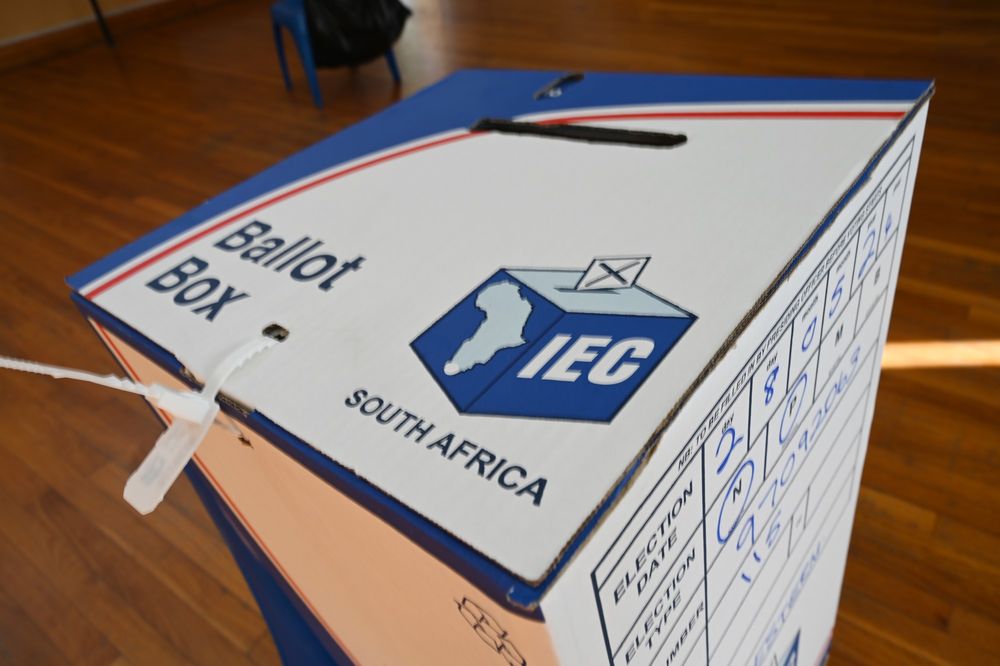
The IEC has proposed amendments to the Municipal Electoral Regulation.
The Electoral Commission of South Africa (IEC) is proposing amendments to the Municipal Electoral Regulations ahead of the upcoming local government elections on November 4.
The proposed amendments, which have been up for public comment since August 18, deal with a specific deadline for objections that could materially affect the final election result, changes in procedure for disputed votes and special votes, as well as modernising the process for accrediting voter education providers.
The IEC said it has introduced a new regulation that focuses on a specific deadline for objections that could materially affect the final election result.
The proposed regulation states that any interested party wishing to lodge an objection on the basis of voting and counting proceedings must do so by emailing the designated address no later than 5pm on the second day after voting.
The proposal would remove the requirement to lodge the objection at the IEC’s Pretoria office.
This is in addition to unchanged regulations that provide for party agents and candidates to bring to the attention of the presiding officer or counting officer alleged irregularities concerning voting, counting, and the determination and declaration of results on election day.
The presiding officer is, in terms of the existing regulations, empowered to keep a written record of each objection and decision taken.
However, any interested party aggrieved by the decision of the IEC may still appeal to the Electoral Court within three days of the commission’s decision.
The IEC has also proposed amendments aimed at changing procedures for disputed votes and special votes.
“Where an objection to a vote is decided, disputed votes will generally be opened and processed in the presence of party agents; however, if the objection is upheld, the disputed votes will not be counted,” reads the notice.
The proposed amendments also set out clearer procedures relating to special votes in so far as to verify the voters, marking the voters’ roll, handling envelopes and ballot papers, and transferring special votes into the ordinary ballot box after voting closes.
“The intention appears to be to make the handling and counting of special votes more structured and consistent,” said the commission.
The IEC also said the proposed amendments modernise the process for accrediting voter education providers.
“Regulation 22 would allow individuals or organisations seeking accreditation to provide voter education to submit their applications online through the Electoral Commission’s official website, replacing the previous requirement to complete a prescribed application form and submit supporting documents physically at the commission’s office.”
The proposed regulations will come into operation on the date of publication in the Government Gazette.
The amendments to the regulations come just as Home Affairs Minister Leon Schreiber introduced the Electoral Laws Amendment Bill in Parliament in preparation for the local government elections.
The memorandum of the Electoral Laws Amendment Bill states that the proposed legislation will provide for the mandatory deregistration of parties that are not represented in Parliament, legislatures, and councils that fail to annually renew their registration.
It also states that the composition of the Electoral Court will be amended, provisions will be made for requirements for registration as a voter, objections will be limited to only the provisionally compiled voters roll, and a provision relating to the eligibility of registered parties to contest elections will be amended.
The Bill also inserts a new provision that amends the composition of the Electoral Court to include the Judge President of the Electoral Court, who is a judge of the Supreme Court of Appeal, five judges of the High Court, and three other members who are South African citizens, who are not judges, appointed in consultation with the Minister of Justice.