How natural parasites, poor production endanger fish consumers – expert - Vanguard News
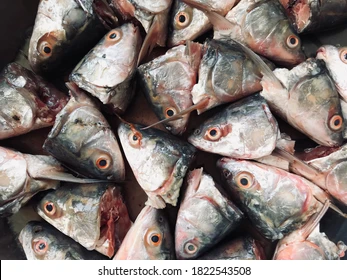
A university don has warned that parasites, contamination and poor handling practices pose serious public-health risks in Nigeria’s fishery sector.
Professor of Environmental Parasitology and Nematology, Department of Animal and Environmental Biology, Faculty of Science, University of Port Harcourt, Rivers State, Prof. Sidney Obidimma Nzeako, told Vanguard Agrobiz that parasites and contamination were undermining the safety of fish products consumed in Nigeria.
He stated: “Parasites, infectious diseases and contamination risks from heavy metals deepen the security risks of fish products for public consumption when viewed from the public health lens.”
He explained that fish are susceptible to a range of parasites, including protozoans such as Ichthyophthirius multifiliis and Trichodina species, as well as tapeworms, roundworms, flukes and crustaceans such as fish lice.
According to him, “Environmental conditions such as rainfall, water turbidity, and temperature fluctuations favor parasite survival. Stagnant or polluted water increases parasite prevalence.
‘‘Human activities such as waste and fecal deposits in rivers and ponds produce parasite eggs and larvae’’.
He added, “The high cost of quality feed often pressures farmers to use low-quality alternatives that stunt growth, reduce immunity and economic status of fish. Water quality affects fish health, growth, and resistance to parasites”.
He also raised concerns about pollution from industrial effluents, runoff, sludge and oil spills, warning that toxic chemicals could accumulate in fish tissues.
“In severe cases the toxic chemicals bioaccumulate in fish tissues constituting health challenges to the humans when consumed. These situations often lead to adverse health conditions like cancers”, he said.
Beyond production, Nzeako identified inadequate preservation and transportation as major sources of fish losses and associated food-safety risks.
He noted that although Nigerians traditionally preserve fish through smoking, drying and salting, modern methods such as freezing and cold storage are more effective at maintaining freshness.
“Experts are of the opinion that poor infrastructure such as limited cold chain facilities and irregular power contribute greatly to poor fish production and protein insecurity in the country”, he said.
Transportation, he added, is critical because fish is highly perishable. “Poor road networks, traffic delays, and lack of refrigerated vehicles cause spoilage especially when exposed to direct sunlight”, he said.
He also explained that fish butchers are important link in the supply chain because they clean, gut, fillet and portion fish before it reaches consumers, saying, “Skilled butchers can identify spoiled fish through odor, slimy texture, discolored gills and remove unsafe products from circulation.”
Comments expressed here do not reflect the opinions of Vanguard newspapers or any employee thereof.