How Farmer Producer Organisations are creating more value for UP cultivators
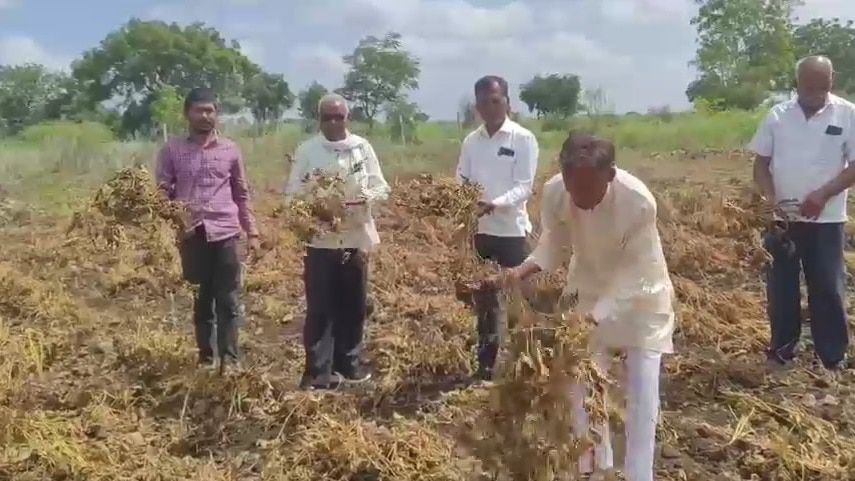
For farmers, producing a crop is only one part of the agricultural value chain. What happens after the produce leaves the farm — how it is aggregated, stored, processed, packaged, branded and taken to market — can also determine the opportunities available to them.
In Uttar Pradesh, Farmer Producer Organisations, or FPOs, are being promoted as a way to bring farmers together and help them participate in more parts of this value chain.
An FPO is a collective of farmers that works across different stages of agricultural production and marketing. Such organisations can undertake activities ranging from the collective purchase of agricultural inputs and aggregation of farm produce to processing, packaging, branding and marketing.
The idea is to give farmers a more organised platform to work collectively, rather than operating individually across the agricultural supply chain.
Working collectively can help farmers pool their produce and purchase inputs together. FPOs can also facilitate access to markets and create opportunities for processing, packaging and branding agricultural products.
This matters because the agricultural value chain does not end when a crop is harvested.
For an organised farmer group, aggregation can be followed by activities such as processing or packaging. Branding can create another layer of value, while stronger market linkages can connect farmers with buyers beyond their immediate local markets.
Uttar Pradesh's policy framework seeks to build these connections. The state has been promoting FPOs to strengthen farmer collectives and establish linkages across agricultural value chains, including food processing, cold storage, branding, packaging and warehousing.
The broader aim is to help farmers move beyond primary production and explore opportunities in value addition.BUILDING LINKS WITH BIGGER MARKETS
The state's Agriculture Export Policy specifically provides for promoting the registration of FPOs and Farmer Producer Companies in agricultural clusters.
It also envisages linkages between FPOs, farmers and exporters. This is intended to create a connection between what is produced at the farm level and wider markets.
For farmer organisations, such linkages can provide a route to markets beyond the immediate sale of raw produce.
The FPO structure also allows different activities to be brought together. Farmers can aggregate their output, while the organisation can potentially facilitate processing, packaging and marketing, depending on its activities and eligibility under the relevant government policies.THE PUSH TOWARDS PROCESSING AND VALUE ADDITION
Food processing is another important part of the policy framework.
Uttar Pradesh's Food Processing Industry Policy provides support to FPOs, farmer groups and other eligible organisations for activities related to food processing and storage, subject to the applicable policy provisions and eligibility conditions.
This creates an avenue for farmer organisations to look beyond the production of raw agricultural commodities.
Instead of stopping at cultivation and sale, an FPO can potentially become part of activities further along the chain — from aggregation and storage to processing and packaging.
That shift is central to the FPO model: creating an organised structure through which farmers can collectively participate in agricultural and allied business activities.GOVERNMENT SUPPORT FOR BUILDING FPOS
The push for farmer collectives is also part of a national framework.
The Central Sector Scheme for Formation and Promotion of 10,000 Farmer Producer Organisations provides a framework for the formation and support of FPOs across the country.
Under the scheme, Cluster-Based Business Organisations, or CBBOs, provide handholding support to FPOs. This includes assistance related to their formation, capacity building and business planning.
Uttar Pradesh has also undertaken initiatives through its agriculture department and other institutions to promote the formation of FPOs.
The objective is to help farmer groups develop into organised producer organisations with the ability to undertake agricultural and allied business activities.WHAT AN FPO CAN ACCESS
The support available to an FPO is not identical across organisations.
According to the policy framework, the assistance available depends on factors such as the FPO's registration, its activities, its eligibility and the particular government scheme or policy under which support is being sought.
That means the FPO model is not simply about creating farmer groups. The organisation's structure and activities determine what kind of government support it may be eligible for.
At its core, however, the model is about collective participation.
Farmers can come together to procure inputs, aggregate produce and access markets. They can also explore processing, packaging, branding and storage, creating the possibility of participating in more stages of the agricultural value chain.
For Uttar Pradesh, the policy approach is therefore not limited to increasing agricultural production. It also seeks to build structures that connect farmers with the infrastructure and markets that come after production.
From the farm to aggregation, processing, packaging and eventually wider markets, FPOs are being positioned as a way for farmers to work collectively and explore more opportunities across the agricultural value chain.- Ends