How Does Climate Change Impact Nor'easters? - Time Magazine
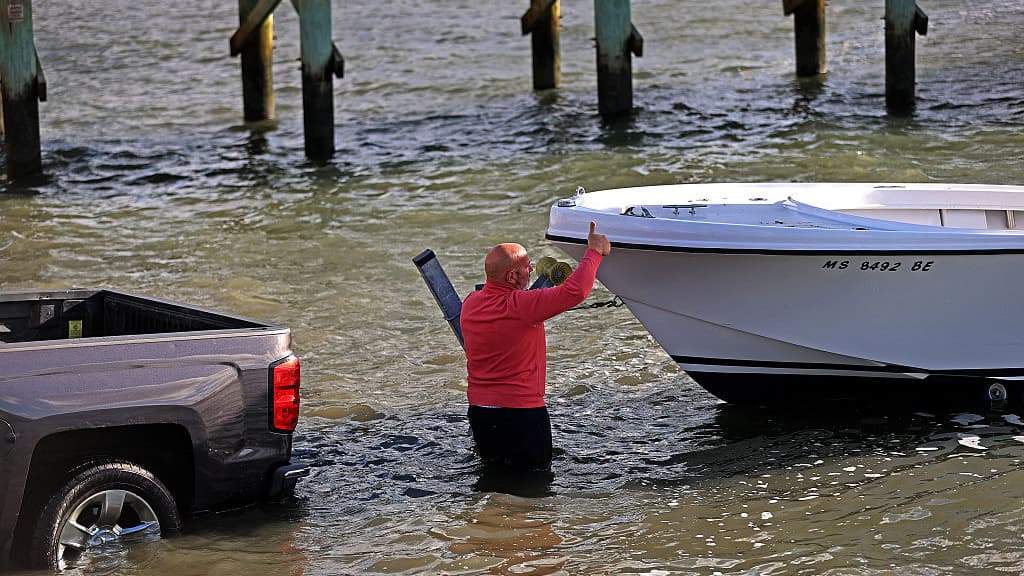
A massive nor'easter is sweeping across the U.S. Northeast this weekend, impacting coastal regions from the Midatlantic to Maine—bringing heavy rains, flooding, and wind gusts surpassing 60 miles per hour in some affected areas. Those impacts are forecast to continue through Monday.
“This nor'easter is shaping up to be impactful in part because it will be slow moving, potentially building up a large storm surge,” Michael Mann, a professor of climate science and climate change at the University of Pennsylvania, said as the storm was making its approach on Friday.
Coastal flooding has since submerged roads in parts of New Jersey, including in Atlantic City, where water levels surged to levels unseen since Superstorm Sandy.
The weather also interrupted air travel in the area, and dozens of festivals, concerts, and sporting events were also cancelled or rescheduled over the weekend.
While September nor’easters aren’t unheard of, they are uncommon. And as the climate warms, research suggests that the strongest storms are also going to become more intense.
Named for the winds that blow in from the northeast, the storms typically impact the east coast of the U.S. and Canada, and bring either rain or snow. They can come at any time of the year but are most common between September and April.
“A nor’easter, like a hurricane, derives some of its energy from the heat of the ocean,” says Mann. However, unlike hurricanes, nor’easters tend to have cold cores, and can linger over an area longer than a hurricane might.
Nor’easters have been responsible for billions of dollars in damage in the U.S. Memorable nor’easter storms include the New England Blizzard of February 1978, the March 1993 “Superstorm” and the recent Boston snowstorms of January and February 2015.
Scientists are still not 100% clear about how nor’easters are changing due to climate change. “There are things we can say with confidence about changes in nor'easters and other areas that we're still coming to an understanding about,” says Mathew Barlow, professor of climate science at the University of Massachusetts Lowell.
If there’s one thing that’s clear, it’s that the more intense nor’easters are becoming more extreme—bringing with them more rainfall and stronger winds. That can lead to more storm surges, coastal flooding, and wind damage.
“Human-caused warming is leading to higher precipitation totals with these storms,” says Mann. And it’s something that’s becoming increasingly common with extreme weather generally. As human-caused climate change warms our atmosphere, it allows it to hold more moisture—and release more precipitation when it rains.
“Not every storm is becoming more intense, but the intense storms are becoming more intense—whether that be a thunderstorm, a hurricane, one of these nor'easters,” Barlow says.
One thing that doesn’t seem to be changing is the number of storms, Barlow adds. “We're not seeing any changes in the overall average, and the total number of storms might actually be going down a little bit,” he notes.
In an ever warming world, storms are only going to continue to intensify. Climate change is increasing the number of “billion dollar disasters,” disasters that top at least $1 billion in damage, that take place in the U.S. each year. The average length of time between billion-dollar disasters has fallen—from 82 days during the 1980s to 16 days during the last 10 years. In 2025, the U.S. experienced a billion-dollar weather or climate disaster once every 10 days.
“Until we stop increasing the amount of greenhouse gasses in the atmosphere, the intensity of rainfall, the intensity of these storms, will continue to increase as well,” says Barlow. “Until we stop making things worse, things are going to keep getting worse.”