Group rejects calls to disqualify Chinda, says Supreme Court ruling did not determine candidacy - The Guardian Nigeria News
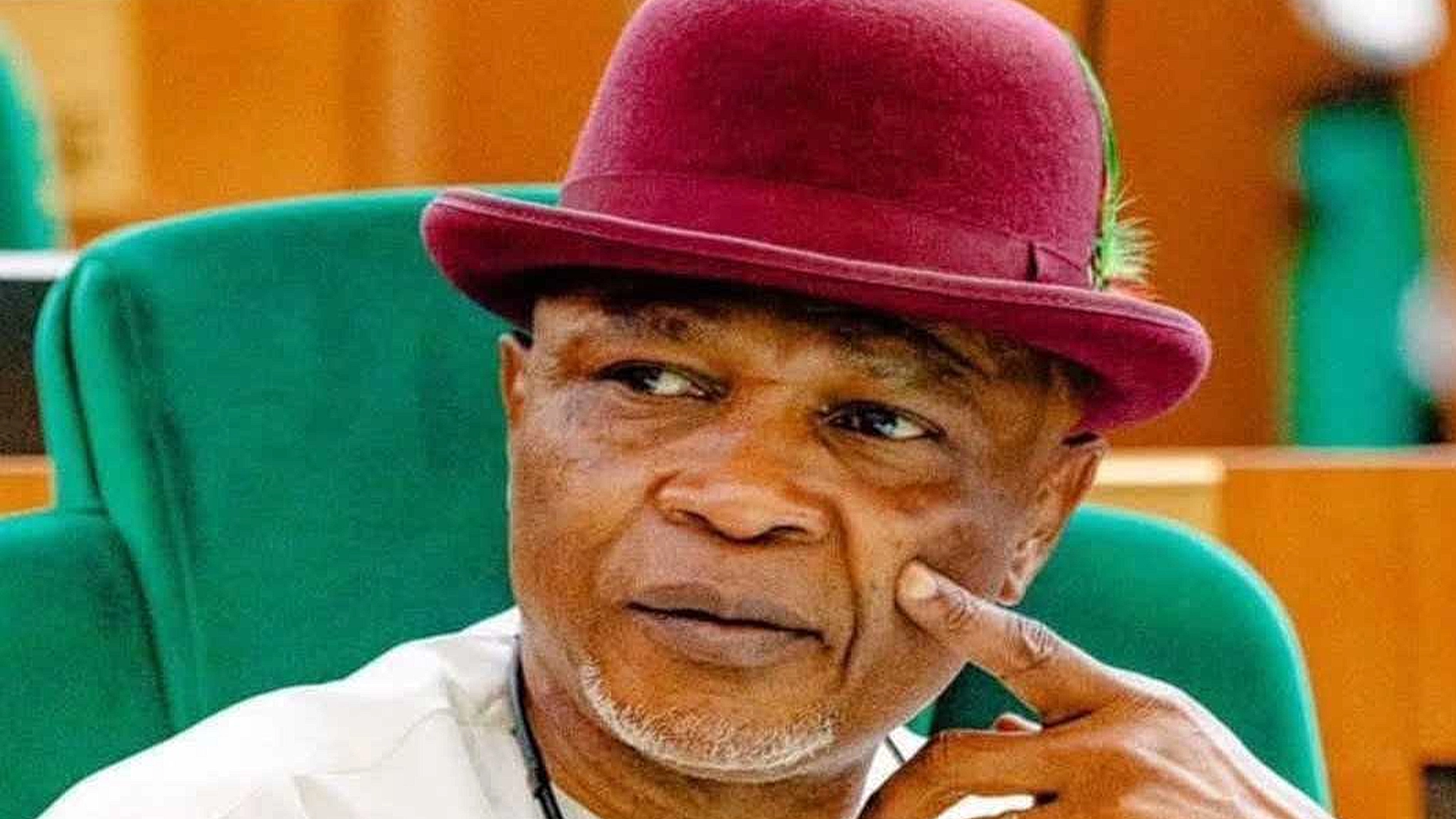
The Parliament Support Network (PSN) has rejected calls for the disqualification of Kingsley Chinda as the All Progressives Congress (APC) governorship candidate in Rivers State, arguing that last week’s Supreme Court judgment on political party membership registers did not specifically invalidate his nomination.
The group was responding to a request by the Association of Legislative Drafting and Advocacy Practitioners (ALDRAP), which asked the Independent National Electoral Commission (INEC) to disqualify Chinda following the Supreme Court’s restoration of provisions of the Electoral Act 2026 governing party membership registers and candidate nominations.
In a statement on Tuesday signed by its National President, Maxwell Idoko, PSN said any challenge to Chinda’s eligibility should be determined on the applicable law and evidence rather than treated as an automatic consequence of the Supreme Court judgment.
“The attempt to manufacture a disqualification where none has been established is, in our view, a distraction from the substance of the Supreme Court’s decision,” Idoko said.
“Nigerians deserve to see the law applied objectively and consistently, rather than having every political development turned into an excuse to reopen a settled nomination process.”
The Supreme Court had on September 24 restored Sections 77(5), 77(6), 77(7) and 84(2) of the Electoral Act 2026, which had earlier been struck down by the Court of Appeal.
A seven-member panel, in a unanimous decision, allowed an appeal filed by INEC and held that the disputed provisions were not inconsistent with the 1999 Constitution.
The provisions deal with political party membership registers and methods for nominating candidates.
The judgment arose from litigation involving INEC and the Zenith Labour Party and did not specifically determine Chinda’s eligibility as the APC governorship candidate in Rivers State.
ALDRAP had written to INEC in a letter dated September 26 asking the electoral commission to disqualify Chinda.
The association also requested an urgent meeting involving INEC, the APC and Chinda to explore an out-of-court resolution of a pending Federal High Court case concerning aspects of his nomination.
The suit, marked FHC/ABJ/CS/972/2026, is pending before the Federal High Court in Abuja.
ALDRAP has raised questions about the membership-register requirements applicable to Chinda’s nomination and aspects of the APC’s screening and appeal process.
The controversy centres partly on the requirement for political parties to submit their membership registers to INEC within the period prescribed by the Electoral Act.
Chinda emerged as the APC governorship candidate on May 21 after contesting the party’s primary as its sole aspirant.
The Rivers APC has rejected suggestions that the restored provisions automatically render him ineligible.
The party’s Publicity Secretary, Ikenga Chibike, said Chinda registered with the APC on April 27, 24 days before the May 21 primary, exceeding the 21-day period referenced in the Electoral Act.
However, Chinda formally announced his resignation from the Peoples Democratic Party and defection to the APC on the floor of the House of Representatives on June 2, after the governorship primary.
The timing has become part of the wider debate surrounding his nomination, although a formal announcement of defection in the House and the date on which a person legally became a member of another political party are not necessarily the same question.
PSN said those seeking Chinda’s disqualification had not established that the Supreme Court judgment itself automatically invalidated his candidacy.
“The relevant question is not whether some individuals are uncomfortable with Hon. Kingsley Chinda’s emergence, but whether the legal requirements governing his nomination were satisfied,” Idoko said.
“The Rivers APC has stated that he became a member of the party 24 days before the primary, while the applicable requirement is 21 days. That factual position cannot simply be wished away because some interests are demanding his removal from the ballot.”
PSN also alleged that political interests opposed to Chinda were behind efforts to have him removed from the contest.
It did not identify those interests or provide evidence establishing that the legal challenge was politically motivated.
“We are concerned that those who are uncomfortable with Hon. Chinda’s rising political profile and those who do not want to see Rivers State make progress are now attempting to manufacture a disqualification narrative around his candidacy,” Idoko said.
“Political disagreements are legitimate, but they should not be converted into legal claims without a solid factual and legal foundation.”
The group’s characterisation of the challenge contrasts with ALDRAP’s position that the Supreme Court judgment has raised legal questions requiring INEC’s attention.
The apex court’s decision restored the disputed statutory provisions, but the application of those provisions to individual candidates could depend on the facts surrounding each nomination and any subsequent determination by INEC or the courts.
PSN urged INEC to remain neutral and said parties with legal objections should pursue them through the appropriate judicial process.
“The electoral process must be protected from unnecessary disruption,” Idoko said.
“If anyone has a genuine legal objection, the appropriate thing is to present the evidence before the competent court rather than attempt to create a disqualification by public pressure. Hon. Chinda’s candidacy should be determined by the law and the established electoral process.”
The controversy comes months after Chinda was declared winner of the APC governorship primary in Rivers State.
He was returned unopposed after other prominent aspirants withdrew from the contest.
The legal dispute over his nomination is not yet finally determined. ALDRAP’s suit remains pending before the Federal High Court, while the precise implications of the restored Electoral Act provisions for Chinda will depend on the evidence concerning his party membership and the membership register submitted to INEC.
PSN said political actors and civic organisations should allow INEC and the courts to perform their respective responsibilities without pressure as preparations continue for the 2027 election.