
Gold or silver this Dhanteras? What people should know before buying
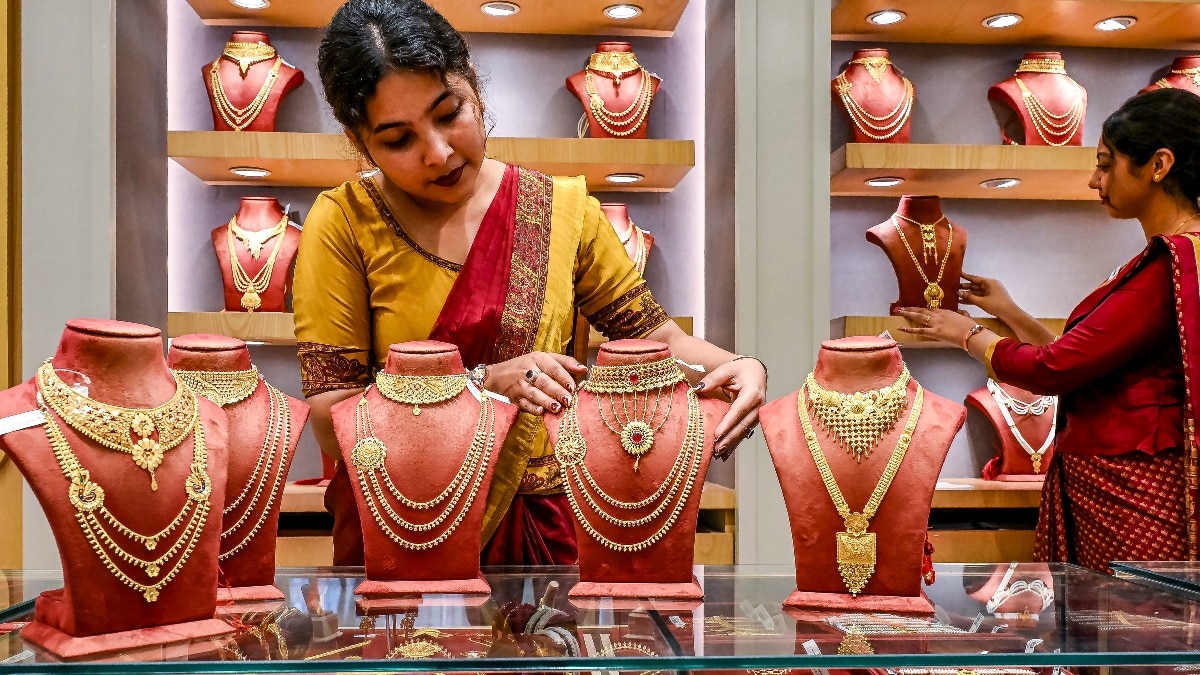
Every Dhanteras, gold finds its way into Indian homes, whether as jewellery, a coin, or a small token purchase. This year, however, the festive ritual comes after a particularly unpredictable run for the yellow metal. Prices have hit record highs, fallen sharply, and then bounced back. For those planning to buy gold, the question is not just how much they will have to pay today, but whether the purchase will hold its value over the years.
The past 10 months have been a reminder of just how sharply gold prices can move. Gold climbed to nearly $5,600 an ounce in January 2026, dropped below $4,000 and then recovered. Indian buyers felt these swings too, with changes in the rupee's value against the dollar adding to the movement in local prices. Silver saw an even wilder ride, rising above $100 an ounce before falling sharply.
Manav Modi, Commodities Analyst at Motilal Oswal Financial Services, said gold and silver were facing a difficult mix of forces in 2026. While uncertainty around the world encouraged people to turn to precious metals, other factors pulled prices in the opposite direction.
"While elevated US Treasury yields and a stronger dollar have weighed on prices, underlying investment demand remains encouraging," he said, pointing to record global gold ETF holdings and significant inflows during the third quarter as signs that investors continued to show interest in gold despite recent price falls.
Silver, he added, could deliver bigger gains than gold, but its prices were also likely to swing much more sharply.
This is one reason gold and silver should not be treated as interchangeable investments.
Silver can offer bigger gains during a rally, but its price swings can also be wider. Gold, by comparison, is generally the more defensive choice. A recent commodities assessment by Motilal Oswal Financial Services makes a similar distinction, describing gold as relatively defensive while noting that silver offers greater upside with significantly higher volatility.HOW GOLD PRICES MOVE AROUND DHANTERAS, DIWALI
There is a seasonal pattern around Diwali in how gold prices behave, although it is not a reliable guide to future returns. Over the past decade, gold generally performed better in the 30 days before Diwali than in the 30 days after it, according to the Motilal Oswal Financial Services report. The pattern was especially strong in 2025, when gold rose nearly 20% in the month before the festival. But there were exceptions, including 2016 and 2021, when prices fell in the run-up to Diwali, the report also said.
Diwali and Dhanteras can affect how much gold people buy, but its price is largely shaped by what happens around the world. The value of the US dollar, interest rates, inflation and global tensions all play a role. When interest rates rise, people may prefer investments that offer regular returns, making gold less attractive. A stronger dollar can also push gold prices down. But wars, rising government debt and uncertainty about the economy can make people turn to gold as a safe way to protect their wealth.
Motilal Oswal's analysts, Navneet Damani, Head of Research – Commodities, and Manav Modi, believe gold and other precious metals will remain relevant investments over the long term, despite short-term price ups and downs. They say gold prices will depend largely on how interest rates change in the US. However, concerns about rising prices, government debt, wars and global uncertainty, along with central banks buying more gold, could continue to support its value in the years ahead.
"While near-term volatility cannot be ruled out, we believe the long-term investment case for precious metals remains intact," the analysts said. They advised investors not to rush into buying gold when prices are high, but to consider buying when prices fall.GOLD AS AN INVESTMENT: WHAT DHANTERAS BUYERS SHOULD KNOW
Central banks across the world have continued to add gold to their reserves as they diversify their holdings. The World Gold Council's latest report said central banks bought a net 321 tonnes in the July-September quarter, while gold-backed exchange-traded funds attracted 211 tonnes after seeing outflows in the previous quarter. These purchases provide an important source of demand beyond individual jewellery buyers.
India's investment demand has also shown signs of resilience, even as high prices have weighed on jewellery purchases. The report noted that domestic gold ETF inflows rose sharply in September, while digital-gold purchases remained steady between June and August. This suggests some buyers are choosing investment products instead of, or alongside, physical jewellery. However, high prices and adequate inventories also led to wider discounts in the domestic market ahead of the festive season.
For Dhanteras buyers, the key is to separate the reason for buying from the expectation of returns. Jewellery bought for a wedding or family occasion serves a different purpose from coins, bars or gold-backed funds bought as investments. Jewellery also carries making charges and other costs that might not be recovered when it is sold.
The recent rally does not mean prices cannot fall again.
Perhaps the smartest way to look at gold this Dhanteras is not as a bet on what prices will do next, but as something to be held beyond the next festive season. After all, Dhanteras buying is often about passing wealth on, not cashing in at the next price high.- Ends
