Germany risks being drawn into ‘violent conflict’ with Russia, spy chief warns
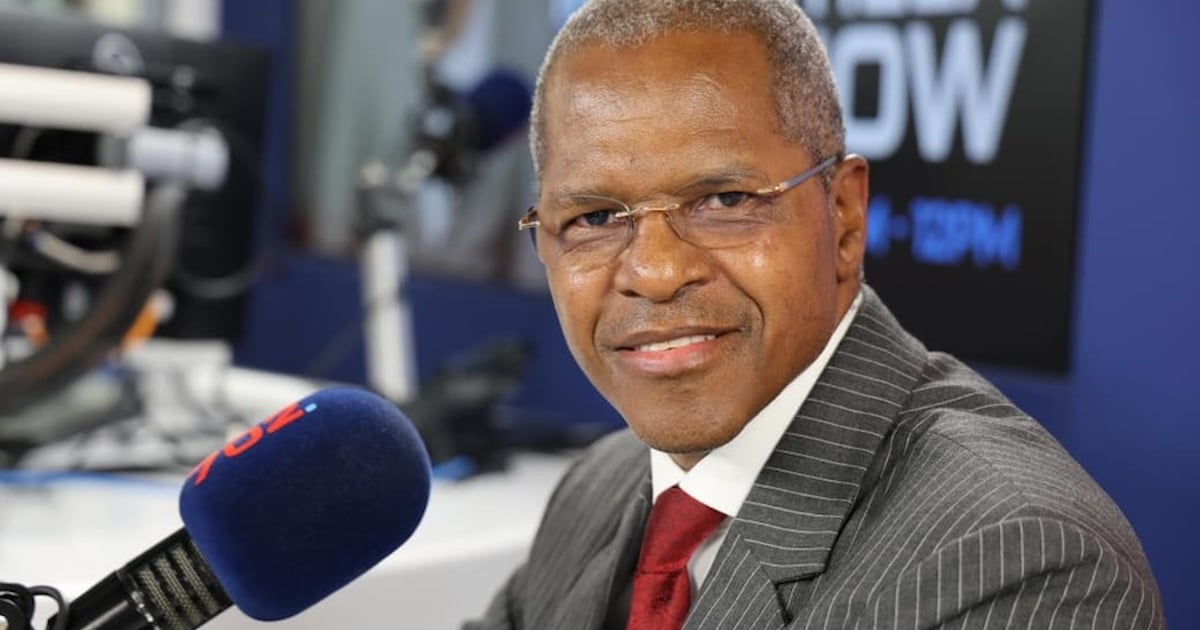
BERLIN — Germany’s foreign intelligence chief warned Monday of the rising risk of a direct clash with Russia as the Kremlin escalates its “shadow war” on Berlin and hits Ukraine with increasing brutality.
“Germany is in danger of being drawn into a violent conflict with Russia,” Martin Jäger, the head of the German’s foreign intelligence agency, or BND, told parliamentarians, citing what he called Russia’s attempted attack on a Ukrainian Antonov cargo plane at Leipzig Airport in August as an example. “Germany has become a major obstacle to Russia’s hegemonic power projection in Europe and, as a result, a primary target of Russian actions.”
Jäger also warned that Russia’s invasion of Ukraine is entering its most dangerous phase yet as President Vladimir Putin faces growing domestic pressure to show military progress with the war entering its fifth winter.
“Russia is determined to bring Ukraine to its knees this coming winter,” Jäger said. “We must expect Russian attacks of a severity and brutality that we have not yet seen on this scale. The war in Ukraine is entering a new and extremely dangerous phase.”
Jäger’s comments come a day after a politically weakened Chancellor Friedrich Merz visited Kyiv in what appeared to be an attempt to show resolve following two first-place finishes by the Kremlin-friendly Alternative for Germany (AfD) party in regional elections last month. Those AfD victories, blamed in large part on the chancellor’s historically low domestic approval ratings, raised concerns in Ukraine and across the EU that German support for Ukraine might waver due to the chancellor’s troubles at home.
With his highly symbolic visit to Kyiv on Sunday, Merz sought to illustrate that he remains firmly at the helm and unflinching in his support for Ukraine.
“Mr. Putin, put an end to this senseless war,” Merz said during the visit, echoing one of his political heroes, U.S. President Ronald Reagan and his famous Cold War speech at the Brandenburg Gate alongside the Berlin Wall in 1987: “Mr. Gorbachev, tear down this wall.”
In his comments Monday, Jäger suggested Russia’s escalation was in part driven by the fact that Putin had been backed into a corner as Moscow faces rising economic pressure and burns through resources to wage its war on Ukraine.
Putin, he said, has “passed the point where he could simply call off the attack on Ukraine without jeopardizing his domestic power base,” adding, “He must demonstrate a success in Ukraine that, from Russia’s perspective, justifies the immense sacrifices made so far.”
Jäger also said he currently sees “no evidence” for a large-scale Russian attack on a NATO member country. Yet “we consider it entirely possible that Russia might carry out targeted, smaller-scale operations” like the “little green men” who spearheaded the annexation of Crimea in 2014.
Hans von der Burchard contributed to this report.