
Fuel Price Crisis | How long can South Africa keep the fuel pumps running if oil supplies tighten? - IOL
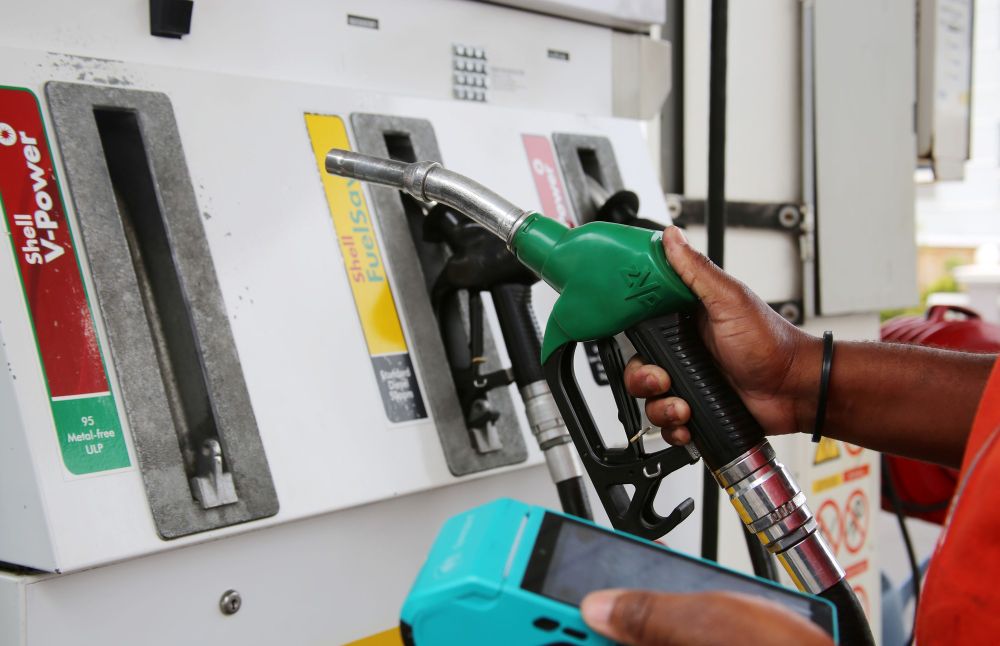
South Africa’s limited strategic crude reserves face renewed scrutiny as motorists prepare for record fuel prices and growing risks to global oil supplies.
The International Energy Agency has warned that the world is steadily eating into the oil inventories that have so far helped cushion the loss of supplies from the Middle East.
Global observed oil stocks fell by a further 95 million barrels in August, taking the total draw since the start of the conflict to 507 million barrels, or an average of 2.8 million barrels a day. With oil flows through the Strait of Hormuz still well below normal levels and the global refining system already stretched, the IEA says inventory buffers are rapidly depleting.
But is South Africa in any danger of facing fuel shortages?
The fuel crisis has raised questions about South Africa’s ability to withstand a disruption to global oil supplies, particularly given its limited strategic crude reserves and growing reliance on imported refined.
Mantashe told Parliament this week that South Africa currently has a strategic fuel stock of 6.9 million barrels, which he said is sufficient for about 30 days of crude oil needs.
He said there was currently no threat to the country's fuel supply despite the disruption caused by the conflict in the Middle East and risks around the Strait of Hormuz. Mantashe said South Africa had also diversified its sources of supply to reduce its dependence on the Middle East.
However, he acknowledged the country's vulnerability as a result of declining domestic refining capacity.
“Our refining capacity with Sasol guarantees a cover of 40% of what we need as a country. Sixty percent is imported,” he said.
IOL previously reported that South Africa is taking steps to strengthen its energy security and reduce its reliance on imported fuel. Mantashe has previously outlined government plans to build strategic fuel stocks equivalent to 60 days of net fuel imports, as well as to accelerate oil and gas exploration and advance regulatory reforms in the petroleum sector.
He said the 60-day stockholding plan is aimed at ensuring South Africa has enough crude oil and refined fuel reserves to cushion the country against global supply disruptions and market shocks.
"In 2024, the Department commissioned a comprehensive vulnerability assessment of South Africa’s strategic petroleum stocks. The study identified several areas requiring urgent attention, including the need to strengthen stockholding arrangements and increase domestic refining capacity, Mantashe said.
"In response, we have developed the draft Strategic Petroleum Stocks Policy, which is now ready for Cabinet consideration prior to publication for public comment".
He said the policy proposes a mixed stockholding model under which the South African National Petroleum Company (SANPC) will be responsible for maintaining strategic reserves equivalent to 60 days of net imports in both crude oil and refined products.
The country has also paid a price for the decline in its domestic refining capacity.
According to the South African Reserve Bank, South Africa's shift towards imported refined petroleum products increased the cost of meeting the country's fuel needs.
The central bank estimates that the country's oil-import bill could have been about R76 billion lower between 2021 and 2024 if refined petroleum products had accounted for no more than 25% of total oil imports.
"The refinery closures have cut petroleum-related manufacturing output by roughly 20% since 2019, displaced an estimated 5,400 direct and indirect jobs, and prompted firms to defer investment."
"In contrast, global and regional peers are expanding capacity through new mega-refineries, leaving South Africa increasingly reliant on imports and underscoring the need for a coordinated policy response to rebuild resilience in the energy system."
South Africans are once again facing a sharp fuel price increase this month, with petrol and diesel prices expected to reach record levels as international oil prices remain elevated.
Mineral and Petroleum Resources Minister Gwede Mantashe has already dashed the hopes of millions of South Africans who were hoping for government intervention, saying there are no immediate plans to cushion households and businesses from rising fuel costs.
“There are currently no interventions planned due in part to the ongoing volatility in petroleum product prices,” said Mantashe.
“The department continues to administer fuel prices in a transparent manner as prescribed in legislation.”
Fuel prices are expected to reach record levels when the latest increases take effect, with the latest Central Energy Fund figures pointing to increases of more than R3 a litre for some grades of petrol and diesel.
The increase has sparked concern from businesses, motorists and consumers, who are already feeling the pressure of rising living costs.


