
Fuadi Points to Trump’s Midterm Election Loss Due to War, Advises Watching His Next Moves - Thairath English
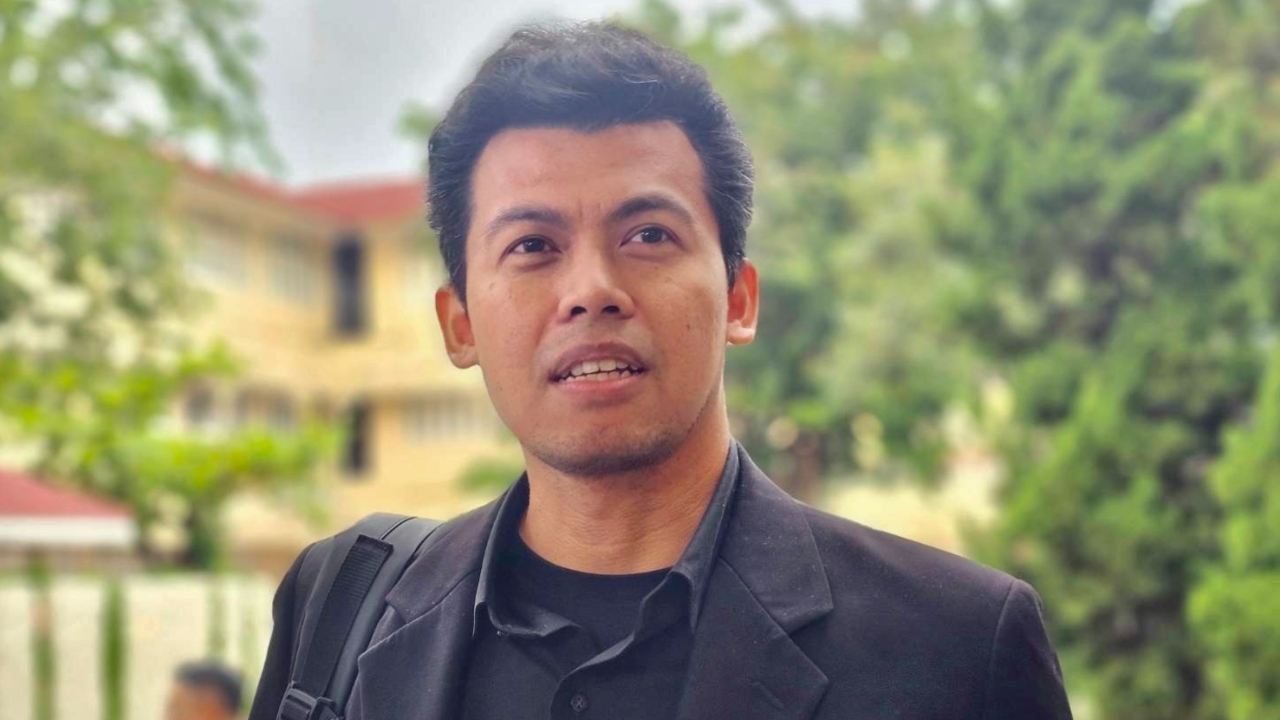
Fuadi pointed out that it is the government's duty to build public confidence and handle various situations. He said the public should be made aware without causing panic. He hopes the government will maximize Thailand's role as a food superpower during times of global conflict. He noted Trump’s loss in the midterm elections was due to war and urged close attention to Trump’s forthcoming stance.
At 12:30 p.m. on 4 Nov 2026 GMT+7, at Government House, Fuadi Pisuwan, a professor in the International Relations Department, Faculty of Political Science, Thammasat University, spoke after attending a meeting with government agencies and academics to consider contingency plans for Middle East security issues. The meeting was chaired by Gen. Chaiphruek Duangpraphat, Secretary-General of the National Security Council (NSC). He said the meeting involved discussing and assessing current global situations and planning for various scenarios. All agreed that public awareness should be raised without panic. He emphasized that it is the government’s responsibility to instill confidence in the people. The NSC explained it already has plans to boost public confidence and is ready to communicate preparedness, including rehearsals and additional planning, to minimize the impact of geopolitics and global conflicts on Thai citizens.
Fuadi stated he proposed at the meeting to fully utilize Thailand’s capacity as a food-producing superpower. He suggested surveying Thai food producers to determine how long the country could sustain itself without exports if a crisis occurred. For example, knowing the stock levels of canned fish companies is essential to ensure sufficient supply for the population. He also stressed assessing energy reserves such as oil and gas to understand how long Thailand could endure if global supplies were cut off. The meeting revealed figures that were encouraging but could be improved, noting that many agencies already maintain stocks of these essentials.
Fuadi added that within ASEAN, there are three storage warehouses located in Thailand, Malaysia, and the Philippines. Thailand’s warehouse is in Chai Nat province and was established during General Anupong Paochinda’s tenure as Minister of Interior. It stores survival goods and relief packages in substantial quantities. In emergencies such as floods or disasters, ASEAN should be requested to release these supplies to show citizens that ASEAN is meaningful to them. The stocks would then be replenished, serving as a regional hub for ASEAN countries. He hopes this warehouse will be activated for use in future emergencies.
When asked about the likelihood of these events occurring in Thailand, Fuadi said he personally believes caution is necessary. However, given the current situation, Thailand is not a conflict party and has maintained relations with both power blocs over time. Therefore, it is unlikely that either side would view Thailand as an adversary. The key is to consider what resources Thailand holds that both sides may want, which helps prevent attacks. Thailand’s important role in global food security is a significant factor in maintaining its non-adversarial status.
Fuadi also commented on the US midterm election results, where the Democratic Party defeated Donald Trump’s Republican Party. He said that attention should be paid to Trump’s next moves. Trump might use this outcome to divert attention or, feeling his power diminished, act more cautiously. Fuadi believes the election loss reflects the impact of ongoing war and urged trust in democratic mechanisms, which provide checks and balances. He said this demonstrates that democratic systems have the capacity to oversee leadership and hold them accountable.


