From 122 Kg to 78 Kg in 8 months: How I lost weight with more than just diet, exercise - The Indian Express
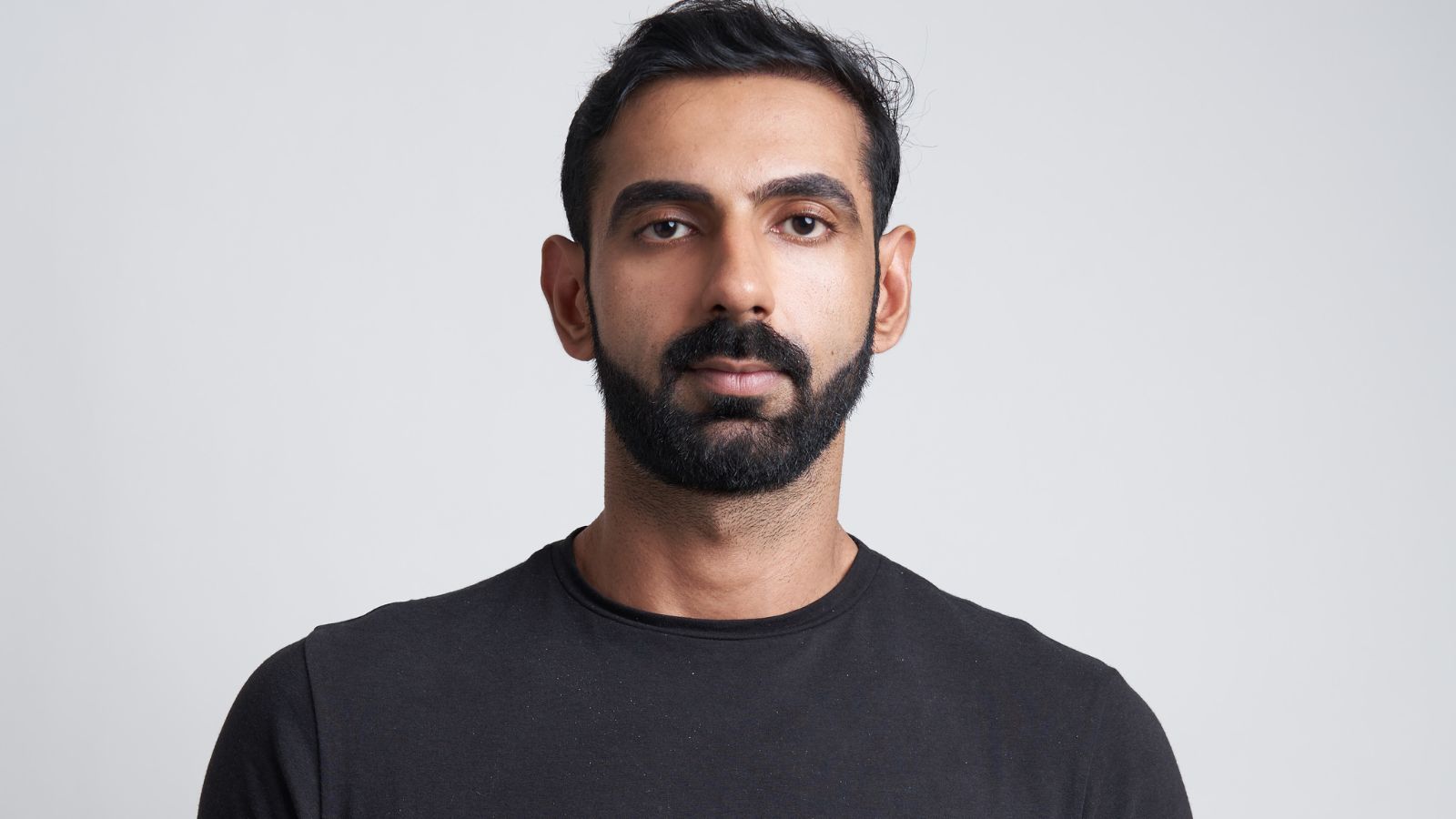
For the first 18 years of my life, I was obese. At my heaviest, I weighed more than 122 kg. I was extremely shy, uncomfortable in public and almost afraid of photographs. I avoided looking at myself. Eight months later, I had lost 44 kg. I could sustain a five-and-a half-kg loss every month. All because I applied practical logic rather than punishing diet or exercise schedules. So how did I gain weight in the first place?
My lifestyle was the real problem. A typical day involved waking up, eating junk food, sitting down to play the video game Counter-Strike for hours, eating pizza, ordering a burger, going back to the computer, snacking and eventually going to sleep. I rarely walked anywhere and had no meaningful exercise routine. It was a sedentary life built around convenience, food and screens. I was simply consuming more energy than I was using, consistently enough for that imbalance to accumulate.
In 2012, I decided I had to change. I didn’t start with a complicated nutrition plan, a calorie-tracking app or an elaborate training programme. I understood the fundamental principle: if you want to lose body fat, you need to sustain an energy deficit over time. I started training five days a week, primarily with weights, and made a conscious effort to eat more protein.
The first three weeks were difficult. I was putting in the work, but the scale barely seemed interested. Then, in the fourth week, a relative told me that I looked different. Around the same time, I stepped on the scale and saw that I had lost about 2.5 kg. So, I had evidence that what I was doing was working. I kept going.
As I learned more, my approach to food became more deliberate. I ate more vegetables, fruit and micronutrient-rich foods and generally stuck to three meals a day. Toward the end, when I was trying to lose the final 10 kg, I introduced intermittent fasting and kept my food within roughly an eight-hour window. Interestingly, I was doing less exercise at that stage.
That experience taught me something I still believe: fasting is a tool, not a form of metabolic magic. If it helps someone control food intake and maintain an energy deficit, it can be useful. But the underlying requirement for fat loss remains the same.
I also began to understand that losing weight and preserving health are not necessarily the same thing. Protein matters because it can improve satiety and helps provide the building blocks required to maintain lean tissue. Resistance training matters because, during a calorie deficit, the body doesn’t simply lose fat; without an adequate stimulus and sufficient nutrition, some of the weight lost can come from muscle and other fat-free tissue. Cardio and everyday movement increase energy expenditure, but they also helped me build a lifestyle in which being active became normal rather than something I did only when I was dieting.
Over the years, my interest moved beyond food and exercise. I started learning how to measure macros and micronutrients properly, paying attention to blood tests and looking at health more broadly. I became increasingly interested in the psychology behind behaviour — and in the things that determine whether a healthy routine survives beyond the initial burst of motivation.
When I was younger, I generally slept well, but I had no idea how important it was. Today, I think of sleep as one of the dark horses of good health — not because it somehow burns fat while you sleep, but because it changes the conditions in which fat loss takes place.
Sleep restriction can increase hunger and food intake and can impair insulin sensitivity. There is also controlled evidence that sleep can influence the composition of weight loss. In one well-known calorie-restriction study, people who were allowed adequate sleep lost substantially more of their weight as fat, while those whose sleep was restricted lost less fat and more fat-free mass. The implication is important: when calories are restricted, sleep may affect not only whether weight comes off, but what kind of tissue makes up that loss.
The effects are also behavioural. When you’re sleep-deprived, managing appetite, food choices, recovery, concentration and training becomes harder. Poor sleep can make a calorie deficit more difficult to sustain; good sleep supports the recovery and consistency that make the deficit possible in the first place. That is why I now prioritise roughly 7.5 hours of sleep every night.
I start the morning with around 700 ml of water, electrolytes and a greens (mix of herbs and leafy greens) powder. I generally fast until midday, having only black coffee and water. My first proper meal is around 2 pm and usually includes protein such as eggs, with fats coming from whole eggs, olive oil or nuts. Around 4:30 pm, I’ll have my pre-workout meal: carbohydrates such as bread, protein such as chicken, and vegetables. Depending on my routine, I may also take vitamins and fish oil. After training, I have a protein shake with almond milk. Dinner is usually chapati or rice, a protein source such as chicken, fish or paneer, and vegetables or salad.
I try to walk for around 10 minutes after each meal, and after dinner I deliberately take a 15-minute walk. Before bed, I usually have chamomile tea as part of my evening routine.
However, none of this is a universal prescription. It is simply what works for me, fits my lifestyle and, most importantly, is sustainable. You also have to deeply assess your existing health conditions before personalising your plan.
The science of weight loss gives us principles, not a single prescription. An energy deficit is fundamental, but how someone creates and sustains that deficit can look very different from person to person. One person may prefer three meals a day, another may find an eating window easier; one may enjoy weight training, another may start with walking; someone with a demanding schedule may need a simpler food routine rather than a highly tracked diet.
The key is to keep the non-negotiables in view: a sustainable energy deficit, adequate protein and overall nutrition, resistance training where appropriate to help preserve muscle, regular movement, sufficient sleep and a routine that can realistically be maintained. From there, the details can be personalised around food preferences, lifestyle, schedule, training experience, recovery, medical considerations and psychology.
I had no magical diet. No secret exercise. No perfect supplement. I started with a few basic principles, made changes I could sustain, learned as I went and kept showing up. Sometimes, changing your life begins with something as simple as deciding that you no longer want to live the way you have been living.