
Europe seeks stricter age limits for TikTok, Instagram and Facebook
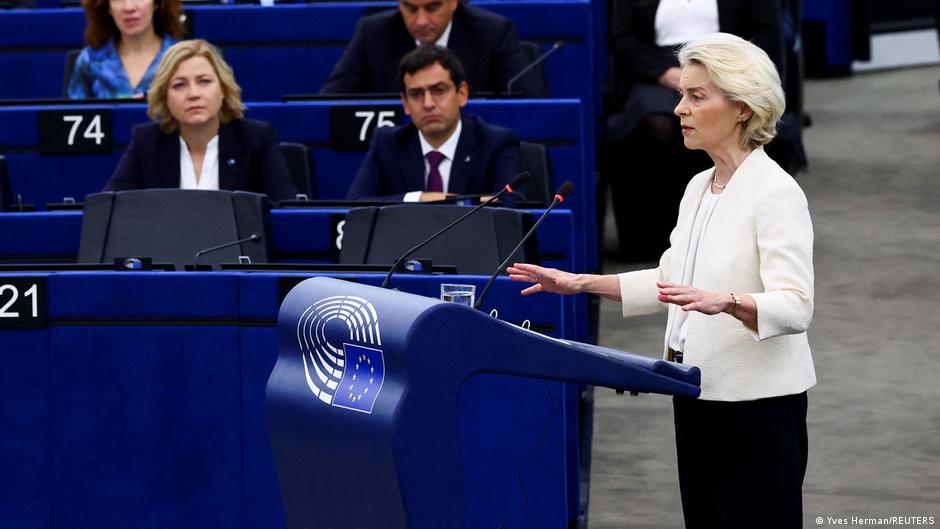
Von der Leyen is pushing for new rules to keep children off social mediaImage: Yves Herman/REUTERSAdvertisementUrsula von der Leyen, President of the European Commission, unveiled a plan aimed at keeping children away from the risks associated with some social media platforms.
The initiative seeks to prevent children under the age of 13 from accessing platforms such as Facebook, TikTok, and Instagram.
"What we already have is a consensus that there needs to be a start date for the age children can join social media," von der Leyen said, calling for "age-appropriate restrictions."
The measure follows similar proposals introduced in Australia, the United Kingdom, China, India, Turkey, and several European countries, and responds to growing concerns about the impact social media can have on children's mental health.
"Today, our children are interacting with some of the most sophisticated technologies ever created, and they were not designed with their well-being and development in mind," von der Leyen said at a press conference.
The proposed reform to the EU Kids Act "will establish clear boundaries in the digital world, just as we do every day in the real world," she added.
The non-profit organization CCIA Europe, which represents major technology companies in Europe, including Google and Meta, warned about potential privacy risks stemming from the proposal and pointed to "conflicting requirements" under other European Union laws.
"Collecting age information, identity credentials, and data linking children to their parents or guardians on this scale would undoubtedly create an attractive target for cybercriminals," said CCIA Europe Director Daniel Friedlaender.
"The Kids Act creates legal overlap and regulatory duplication that ultimately weakens protections for children and consumers," he added.
Von der Leyen's proposal would give parents greater control over the accounts of young people aged 13 to 15.
The initiative will be debated among EU member states and the European Parliament in the coming months before it can become law.
Social media accounts, video streaming services, online video games, and chatbots aimed at users under 18 would be subject to a set of stricter regulations.
These include banning features considered addictive, such as infinite scrolling and autoplay content. The proposal would also restrict algorithm-driven recommendations, personalized profiling, reward-based engagement mechanisms, and unsolicited contact from strangers.
Another demand from the European Parliament is that platforms be required to implement child-safe designs and algorithms, while also providing easy-to-use parental controls.
In addition, major technology companies would have to strengthen their age-verification systems for anyone seeking to open an account.
Companies that fail to comply could face fines of up to 6% of their global annual revenue.
They would also be required to dedicate greater resources to content supervision and moderation.
If you rely on our team for trusted reporting, please take a moment to select us as your Preferred Source on Google, so you'll always see our verified news first.


