Denmark approves Trump's Greenland military expansion deal
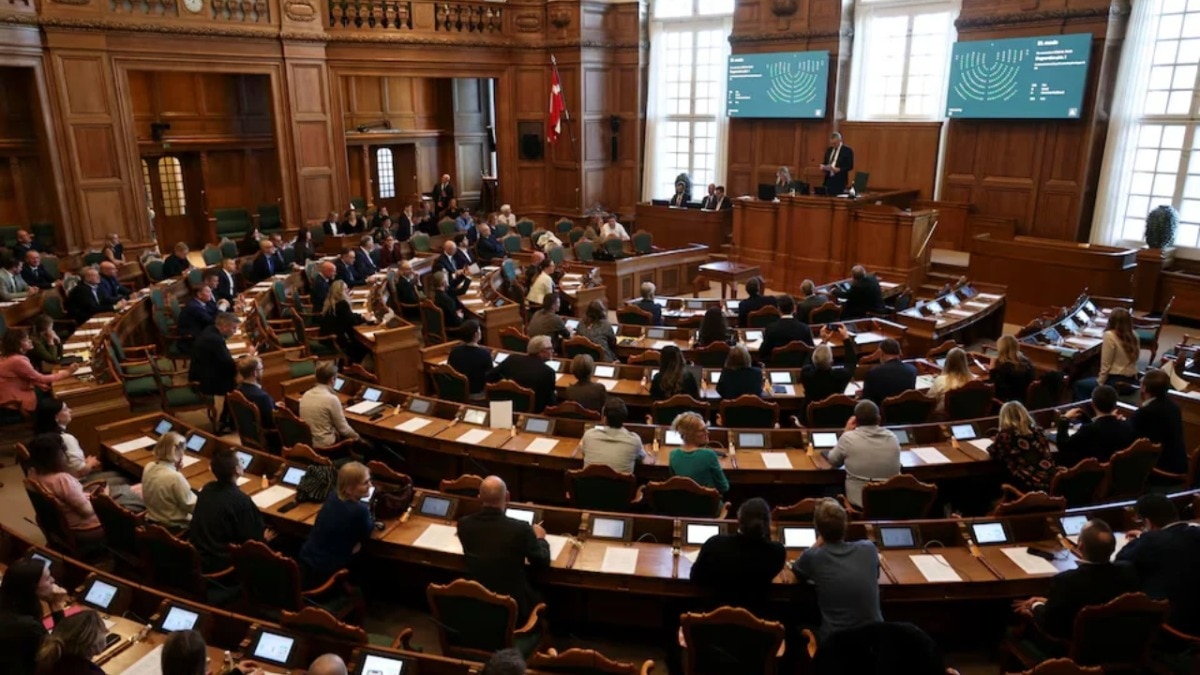
Months of threats, diplomatic friction and an unprecedented rift between NATO allies have brought Denmark and the United States to a negotiated settlement over Greenland. Denmark's parliament unanimously ratified a security agreement on Thursday, allowing Washington to expand its military presence on the strategically important Arctic island while reaffirming Danish sovereignty.
The vote on Thursday clears the way for an expanded US military presence in Greenland, including provisions for a proposed "Golden Dome" missile defence system and two additional American military bases. However, the agreement also reaffirms Denmark's sovereignty over the territory and Greenlanders' right to decide their own future.
The September agreement between the US, Denmark and Greenland seeks to address Washington's security concerns in the Arctic without changing the island's political status. It follows months of diplomatic friction after Trump repeatedly refused to rule out using military or economic force to acquire Greenland, triggering a crisis within NATO in January.
The agreement will formally take effect once Denmark's foreign ministry informs Washington through a diplomatic note that all necessary procedures have been completed. Unlike a conventional treaty, the executive agreement does not require approval from the US Senate.
At its core, the agreement gives the US greater scope to expand its military activities in Greenland while keeping the island under Danish sovereignty.
Greenland is a self-governing territory within the Kingdom of Denmark, with a population of around 57,000. Although it manages most of its domestic affairs, Denmark retains responsibility for key areas, including defence and foreign policy.
For Washington, Greenland's location makes it an important part of its Arctic security calculations. The island lies along the shortest route between North America and Europe, making it strategically significant for monitoring potential military threats and protecting the North Atlantic.
The agreement expands the US military's role in the territory and allows for the establishment of a proposed "Golden Dome" missile defence system. The Golden Dome is Trump's proposed missile defence initiative, intended to strengthen America's ability to detect and intercept incoming missile threats. Greenland's geographical position could make it an important location for such a defence network.
The agreement also provides for plans to establish two new US military bases on the island.
Denmark's Defence Minister Jeppe Bruus told Reuters that the signatories would now begin working on legislation to screen foreign investments in Greenland on national security grounds, alongside arrangements for the proposed military installations.
"I expect that the US will now also start to be more concrete on the purposes and the arrangement around these two areas," Bruus said.
The investment-screening provision is particularly significant because Greenland possesses substantial mineral resources that have attracted international interest. The proposed legislation would give authorities greater scrutiny over outside investors where security concerns arise.HOW TRUMP'S GREENLAND AMBITIONS TRIGGERED CRISIS
The agreement follows a prolonged diplomatic confrontation that began after Trump repeatedly expressed his desire to bring Greenland under American control. The US President argued that Greenland was vital to American national security because of its strategic Arctic location and mineral wealth. However, his statements went beyond calls for greater military cooperation.
Trump refused to rule out military or economic force to acquire the territory. The remarks created an unusual confrontation within NATO, an alliance in which Denmark and the United States are both members. The prospect of Washington using coercive measures against territory belonging to a fellow NATO member threatened to undermine trust between traditional Western allies.
Greenland's political status also made the issue particularly sensitive. While the island enjoys extensive self-government, it remains part of the Danish kingdom. Its future cannot simply be decided through an agreement between Washington and Copenhagen without accounting for Greenlanders' own right to self-determination.US WELCOMES VOTE
The Trump administration welcomed the Danish parliament's decision, presenting the agreement as a step towards strengthening security across the Arctic and the wider NATO alliance.
US Ambassador to Denmark Kenneth Howery described the agreement as "a tremendous accomplishment", saying it would bolster the security of all sides, including NATO. US Secretary of State Marco Rubio also welcomed the vote in a post on X.
"Today's ratification by the Danish Parliament of the agreement on Greenland will make us all safer, stronger, and more secure."
"This agreement modernizes the United States-Denmark-Greenland defense partnership and bolsters the national security of the United States and our allies in NATO. Looking forward to more cooperation in the future," he said.
Greenland's vast natural resources have been another major factor behind Washington's interest in the island. The territory is believed to hold significant deposits of minerals that could become increasingly important for industries linked to technology, manufacturing and defence.- EndsMust Watch