DDPM Urges Preparedness with an Emergency Bag to Handle All Disaster Situations and Survive the First 72 Hours - Thairath English
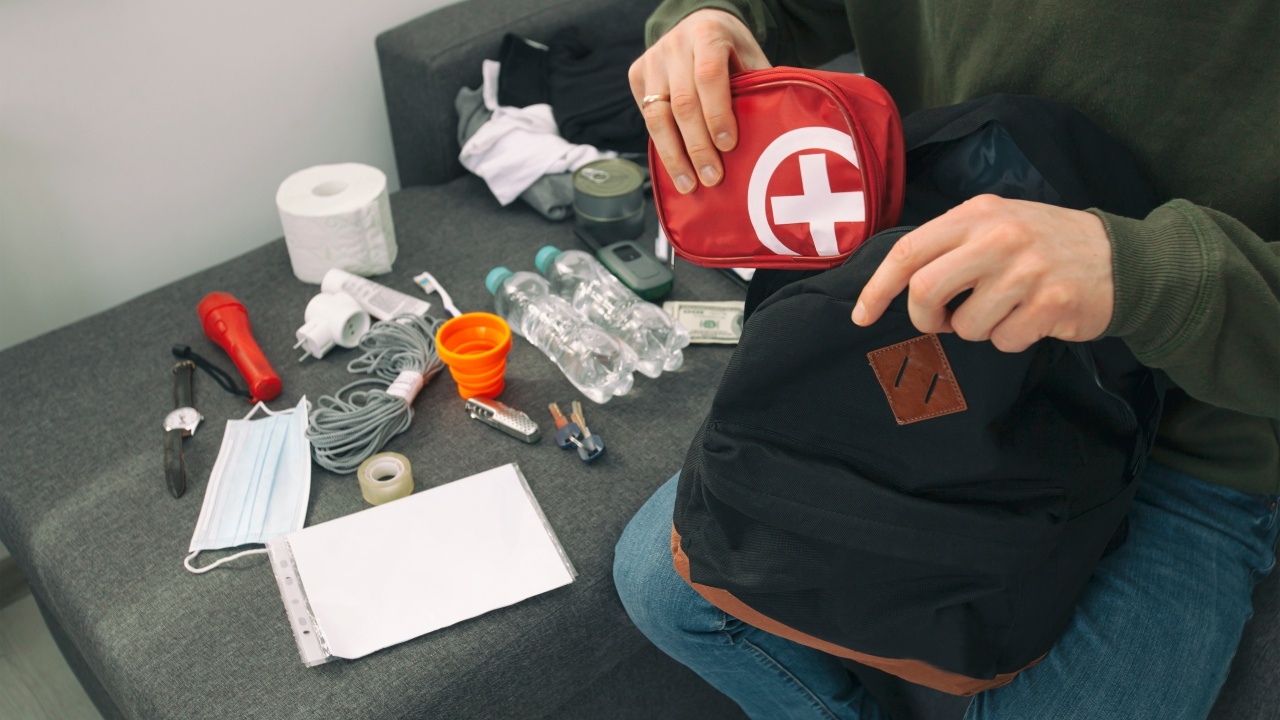
"Be aware but not alarmed," the DDPM urges preparedness. The "emergency bag". Organize six essential categories for safety in all situations to take care of oneself for 72 hours, following international standards.
On 2 Nov 2026 GMT+7, Mr. Nirat Pongsitthaworn, Director-General of the Department of Disaster Prevention and Mitigation, stated that as many countries worldwide have issued alerts urging citizens to stockpile food, medicines, and essentials for 72 hours amid conflicts in the Middle East, Thailand is not among those needing such preparations. However, preparing an "emergency bag" remains a risk-reduction measure that the DDPM continuously promotes to raise public awareness and readiness.
The emergency bag not only helps prepare for international conflicts but also serves as a basic preparedness step to protect citizens from natural disasters or other emergencies, such as flash floods, flash floods, landslides, earthquakes, epidemics, or human-caused incidents like fires, riots, or sabotage.
The "first 72 hours" is the international standard for disaster and emergency preparedness. It is a critical period because during the initial three days after a disaster, people must survive on their own while government aid is being distributed to affected areas. Having enough water, food, and supplies for oneself and family until help arrives enables basic survival and coping with unexpected events.
1. Medicine and health: first aid kit, common household medicines, personal medications, medical history documents.
2. Food and water: at least 3 liters of drinking water per person per day, ready-to-eat food, energy snacks; for vulnerable groups, prepare suitable food for infants, elderly, or patients.
3. Communication devices and tools: mobile phone, power bank, flashlight, spare batteries, radio for news if internet is down, whistle for help, candles, lighter, notebook, pen, pocket knife, scissors, rope, tape.
4. Documents and cash: important documents and copies in waterproof envelopes, including ID card, house registration, health insurance card, driver’s license, bankbook, land title deed, spare keys, and cash in case online financial transactions are unavailable.
5. Personal hygiene items: tissues, toothbrush, toothpaste, bathing supplies, garbage bags.
6. Clothing and bedding: spare clothes, raincoat, hat, blanket or sleeping bag sufficient for the initial emergency period.
"Every household should have an emergency bag because if an emergency occurs—whether a natural disaster, cyberwarfare, or international conflict—it can be carried immediately when evacuating from risky areas. Choose a lightweight, waterproof bag placed in an accessible spot and regularly check the condition and expiration dates of its contents," said Mr. Nirat, Director-General of DDPM.
Additionally, to prepare for disasters and other emergencies, the DDPM has arranged public safety machinery, crisis response teams, advance warnings via Cell Broadcast and various communication channels, as well as appropriate response and relief efforts. The DDPM and related government agencies coordinate to plan for emergency situations to ensure public confidence and safety.
Information from the Department of Disaster Prevention and Mitigation (DDPM) Facebook page.