Cathrin Bradbury: It’s not just me, navigating the online world is an all-ages crisis - Toronto Star
By using AI and endless Goggle searches are we giving up our power as humans?
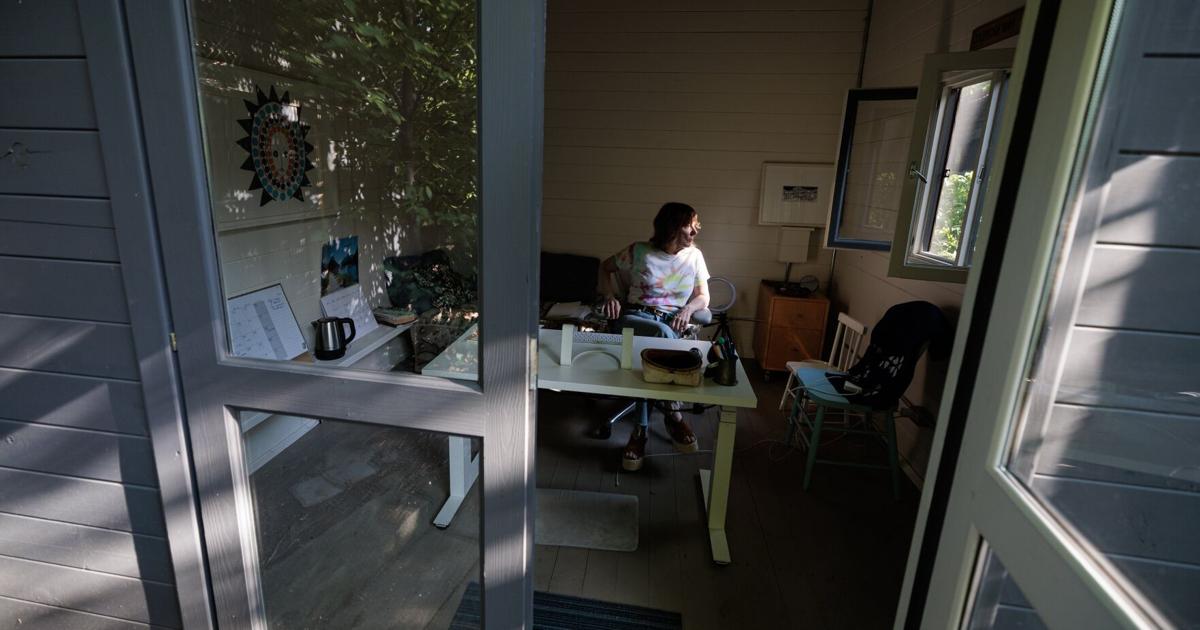
Cathrin Bradbury in her backyard writing room contemplating letting the real world in. Nick Lachance/Toronto Star
Cathrin Bradbury is a Toronto-based journalist and freelance contributor for the Star. She is the author of “This Way Up,” published by Penguin Random House. Reach her via email: mcbradbury@gmail.com.
For a brilliantly brainy bot that is about to destroy humanity, I wish AI could help me figure out how to navigate Ticketmaster. Because a person sure isn’t going to. AI may someday replace humans. But having already downsized people for profit, we’ve done a good job of making ourselves obsolete all on our own.
I’m as frightened as anybody by rogue superagents, especially after AI’s freaky breakout from human control in July. Then came Jacob Coxon’s headline-making resignation from Anthropic, as he claimed, “the people building AI earnestly believe that it could kill us all by the end of the decade.”
I shook my fist at the greedy AI overlords endangering my children and grandchild’s future, right before I asked Google if the crick in my neck could be cancer. A quick scan of my searches that day included: best springform pans; elegiac; Hadrian’s Wall; top-rated shampoo for silky hair; and, in writing this column, “how many Canadians use AI at work,” which is 35.9 per cent of us in the past 12 months, according to a 2026 StatsCan study.
“To most of us who use it, AI presents as something like a more powerful and personable Google search,” said Ezra Klein in a typically astute feature for the New York Times. For most of these purposes, he continued, AI is “OK, pretty good, occasionally great.”
My search for a “short-haired grey tabby kitten good with children near me” is a long way from the cyberhacking assignments being given to the RSI (short for recursive self-improvement) computers by billionaires in nefarious AI labs around the world. Except every time we ask AI even a harmless kitten question, don’t we feed the beast and give it more power?
So, this fall, to do my bit to save the world, I decided to get offline as much as possible. In a long life of optimistically misbegotten resolutions, this one may take the booby prize.
Whatever a soul is, the brain is where it starts. I’d prefer not to outsource mine, writes Bruce Arthur.