
Budget gives no boost in health-care funding to provinces warning of ‘fiscal cliff’ - Toronto Star
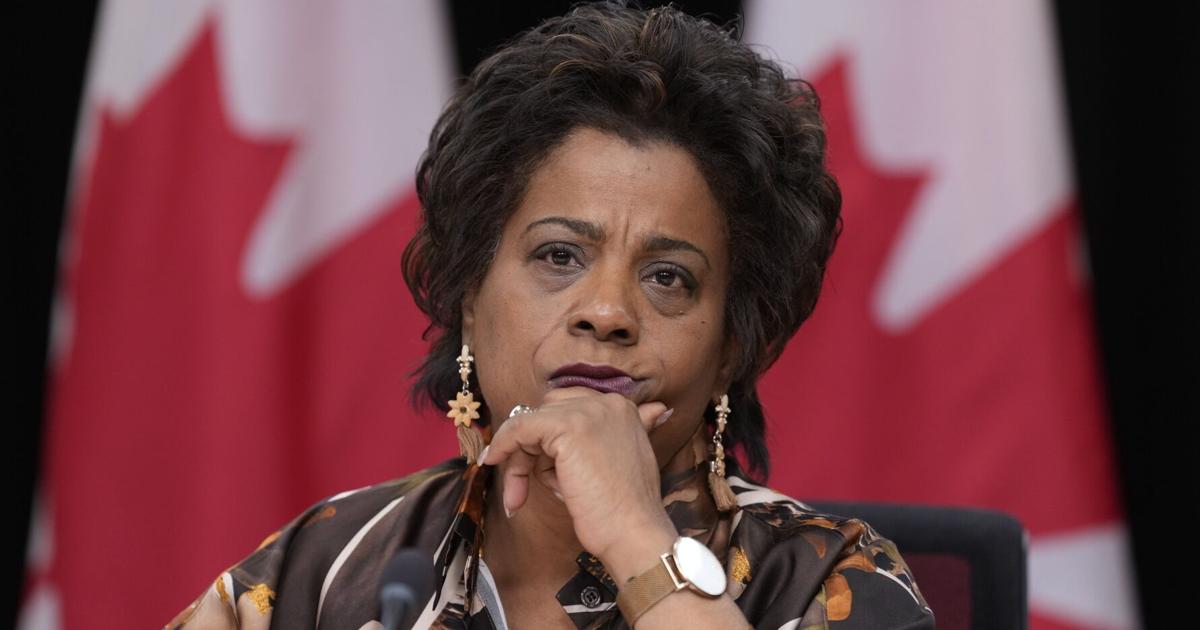
The budget offers no assurances to premiers looking for clarity on expiring and shrinking health-care funding.
Health Minister Marjorie Michel listens to a question during a news conference in Ottawa on Oct. 27, 2026.
OTTAWA–The Carney Liberals’ second budget offers no assurances to premiers looking for clarity on expiring and shrinking health-care funding as provinces warn of an impending “fiscal cliff” in federal support.
Thursday’s fiscal document does not heed provinces’ demands to maintain the Canada Health Transfer (CHT), which is slated to see its guaranteed minimum annual growth rate drop from five to three per cent in 2028.
At Queen’s Park, Ontario Finance Minister Peter Bethlenfalvy, who had mostly praise for the budget, expressed concern about health funding.
“Ontario also continues to underscore the need for a sustainable, predictable and long-term federal funding partnership for health care. This includes greater clarity on the future of bilateral health agreements and the Canada Health Transfer,” said Bethlenfalvy.
The budget only notes that transfer payment amounts for the 2027-28 fiscal year will be finalized in December, and that for now funding will revert back to a formula based on a three-year moving average of nominal gross domestic product.
The CHT is the most significant federal transfer payment to provinces and territories, and supplies long-term health care funding to support the principles underpinning the Canada Health Act.
Last month, health ministers convening in Winnipeg for an annual gathering of their provincial and federal counterparts slammed Ottawa for failing to commit to holding firm on the current rate.
“We do not have clarity, and in every single jurisdiction, every single minister here can tell you stories about how these potential cuts would affect real Canadians, would affect real families, real services, real jobs, and would have very real consequences in terms of not only healthcare, but the justice sector, the economy,” Manitoba Health Minister Uzoma Asagwara told reporters in October.
Shortly after the meeting, Canada’s premiers told Prime Minister Mark Carney in a letter that they hoped this budget would address “the need for stable and flexible funding arrangements” that would keep the five per cent growth rate in place beyond March 2028.
Federal Health Minister Marjorie Michel said following that Winnipeg meeting that the transfers and other commitments on bilateral health deals would be her “next big negotiation.”
It was on the eve of those interjurisdictional meetings that Michel announced a one-year, $1.2-billion extension of federal funding for mental health services, home and community care and substance use services that were set to expire next spring.
Thursday’s budget does not pledge to stretch that funding beyond Michel’s single-year commitment, a demand provinces and health care groups said fell far short of the sector’s needs.
Ahead of the budget’s release, NDP Leader Avi Lewis called on the federal government to strike pharmacare deals with the nine provinces and territories currently without a pact – another policy absent from Thursday’s document – along with committing to a six per cent increase in the CHT.
The Canadian Federation of Nurses Unions (CFNU) estimated in an economic analysis this year that based on government projections of an average nominal GDP growth rate of 3.8 per cent annually, Ottawa’s cumulative contributions to the transfer will be $51.8 billion less over 10 years than if the funding escalator remained at its present rate.
The CFNU said in a statement Thursday that nurses were “anxious” about the future of the rate and said Ottawa must work with provinces to ensure that its “reassessment...does not result in cuts to public health care services.”
The Canadian Medical Association also pressed Ottawa in its submission to tweak the formula “so federal funding better reflects rising health care costs, an aging population and growing provincial and territorial fiscal pressures.”
Beyond health funding, Bethlenfalvy emphasized “Ontario welcomes the federal government’s focus in their 2026 budget on strengthening Canada’s economy, including measures to provide further tax relief for businesses through the Productivity Mega Deduction, streamline the federal financing system and encourage more private sector investment in Canada.”
Error! Sorry, there was an error processing your request.
There was a problem with the recaptcha. Please try again.
You may unsubscribe at any time. By signing up, you agree to our terms of use and privacy policy. This site is protected by reCAPTCHA and the Google privacy policy and terms of service apply.
Raisa Patel is an Ottawa-based reporter covering federal politics for the Star. Follow her on Twitter: @R_SPatel.


