BRICS+ Series: What the US Midterms Mean for the War with Iran - IOL
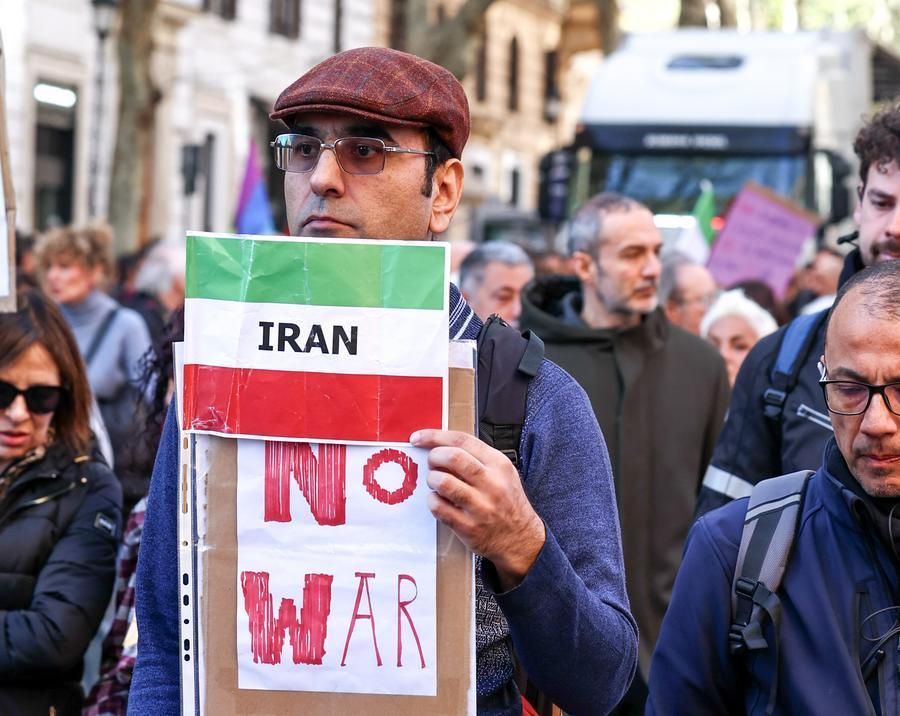
The midterms have changed the political arithmetic surrounding Donald Trump’s war with Iran, but not the military reality. Democrats’ victory in both chambers is a serious rebuke to the White House and gives opponents of the war new tools to challenge it. Yet the result does not automatically bring the conflict to an end. It could make diplomacy more attractive – or, paradoxically, make escalation more tempting.
The scale of the defeat matters. The Associated Press reports that Democrats gained control of the House and Senate, while roughly six in ten voters said the decision to use military force against Iran was wrong. The war was not the electorate’s only concern: cost of living and corruption ranked more highly. But the connection is important. The conflict has driven up fuel and energy costs, turning a distant military campaign into pressure felt at petrol pumps and in household budgets.
For Tehran, the result presents both an opening and a risk. A Democratic-controlled Congress is likely to scrutinise the war’s objectives and costs, and resist additional funding without clearer limits. The Council on Foreign Relations (CFR) expects hearings and legislative efforts to constrain future military action. Congress controls defence and diplomatic appropriations, can subpoena officials and documents, and can shape sanctions through legislation.
However, the limits are just as important. Trump remains commander-in-chief and retains substantial authority to direct military operations. Democrats lack the numbers to override a presidential veto, and the incoming Congress will not take office until 3 January 2027. Until then, the outgoing Republican-controlled Congress remains in place.
This creates a dangerous interim period. Trump has acknowledged that the war contributed to Republican losses by pushing up petrol prices, but insists he would make the same decision again. The Associated Press reports that he is weighing options ranging from maintaining defensive strikes and the naval blockade to hitting the deeply buried Pickaxe Mountain nuclear facility or escalating attacks against Iranian infrastructure. The latter could trigger retaliation and deepen energy-market disruption. Brent crude fell below $95 a barrel after the election, reflecting hopes that negotiations may gain momentum; that optimism could quickly reverse if strikes resume.
The diplomatic track is therefore likely to become more important, although a settlement remains far from assured. Reuters reported that US-Iran contacts through Qatari mediators were continuing before the vote, but that the sides remained divided over the sequence of concessions. Iran wants the blockade and sanctions addressed and the Strait of Hormuz reopened; Washington wants guarantees on shipping and Iran’s nuclear capabilities. Tehran may calculate that Trump, weakened at home, needs an agreement. But it could also conclude that he is more dangerous now that electoral restraints have fallen away.
That is the central contradiction of the midterms. Trump may seek a deal to demonstrate that he can end a costly war on his terms. Equally, he may pursue a dramatic military success to reclaim political authority and define his foreign-policy legacy. The Stimson Centre’s Barbara Slavin warned before the vote that the lame-duck period carried particular risks if the administration sought a decisive assault before the new Congress arrived. The election does not remove that possibility.
Israel will also be watching closely. A Democratic Congress is likely to subject US support for Israeli military operations to greater scrutiny, potentially complicating Benjamin Netanyahu’s ability to rely on an unquestioned bipartisan consensus. But a shift in congressional mood does not mean an immediate rupture in the US-Israel relationship or an end to Washington’s security commitments.
The most plausible near-term outcome is not immediate peace or a full-scale new offensive, but continued pressure, intermittent military action and intensified mediation. The midterms have raised the domestic cost of escalation and strengthened the case for negotiations. They have not resolved the strategic disputes that produced the war. For Iran, the challenge is to turn Washington’s political vulnerability into diplomatic leverage without provoking another attack. For Trump, the choice is whether to treat the result as a warning to find an exit, or an invitation to take greater risks.
Skills may decide the outcome. About 37,000 African students now study at Russian universities, and Rosatom has trained more than 300 specialists for nuclear programmes in countries including Egypt, Ghana and Nigeria. South African analyst Raymond Matlala argues that the real benchmark should be how many Africans can independently run and expand these industries, not how many scholarships are awarded. Branch campuses of Russian universities and the planned Russian-African Network University could help, if training is tied to real jobs.
The summit is expected to move toward a new action plan for 2027–2029. Russia and the African Union Commission have said they intend to adopt it, to address existing gaps and deepen cooperation. Its value will depend on converting broad priorities into bankable projects with identified customers, financing and clear risk allocation. The yardsticks are simple: operating joint ventures, the local share of production, participation of national suppliers, and capacity utilisation. If those numbers climb, the partnership will have moved from rhetoric to reality. If not, Moscow’s gathering will join a long list of summits remembered mainly for their promises.
**The Views expressed do not necessarily reflect the views of Independent Media or IOL.
** MORE ARTICLES ON OUR WEBSITE https://bricscg.com/