
Assamese to Pali: Centre approves 5 hubs to study India's classical languages
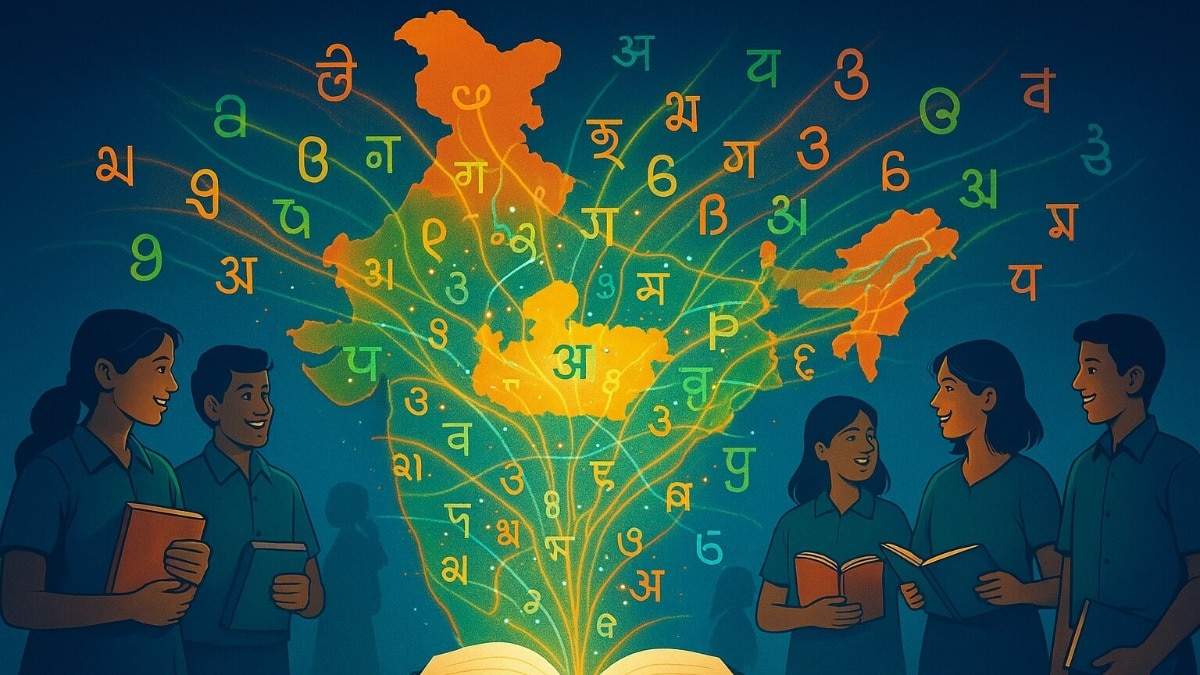
India's classical language map is expanding from classrooms and archives into dedicated research centres.
The Ministry of Education has approved five Centres of Excellence for Classical Assamese, Bengali, Marathi, Pali and Prakrit. The decision was conveyed through an Office Memorandum issued by the Department of Higher Education's Language Division on October 1, 2026.
The centres are expected to support academic research, digitisation, preservation and dissemination of the five languages and their heritage.
There is also a recent chapter behind this move. In October 2024, the Union Cabinet approved Classical Language status for Marathi, Pali, Prakrit, Assamese and Bengali, taking India's total number of classical languages to 11. Tamil, Sanskrit, Telugu, Kannada, Malayalam and Odia had received the status earlier.
The government's criteria for classical status include ancient texts or recorded history spanning roughly 1,500 to 2,000 years, a body of heritage literature and evidence through inscriptions and other knowledge texts. A proud moment for Odisha and a significant step towards preserving India’s rich linguistic heritage.The Ministry of Education’s approval of a Centre of Excellence for Classical Pali at the Central University of Odisha will strengthen the study, preservation and promotion of pic.twitter.com/hNSJT31oIB— Mohan Charan Majhi (@MohanMOdisha) October 3, 2026For Odisha, the announcement has a special significance. Chief Minister Mohan Charan Majhi welcomed the approval of the Classical Pali centre at the Central University of Odisha, calling it a step towards preserving India's linguistic and intellectual heritage.
With these five centres, languages that received classical status only two years ago are now getting dedicated institutional spaces for deeper study and preservation.- EndsRead | Marathi, Pali, Prakrit, Assamese, Bengali now among classical languagesRead | How Bengali became a classical language, officially
