
Another majority that could be in Democrats’ reach: From the Politics Desk
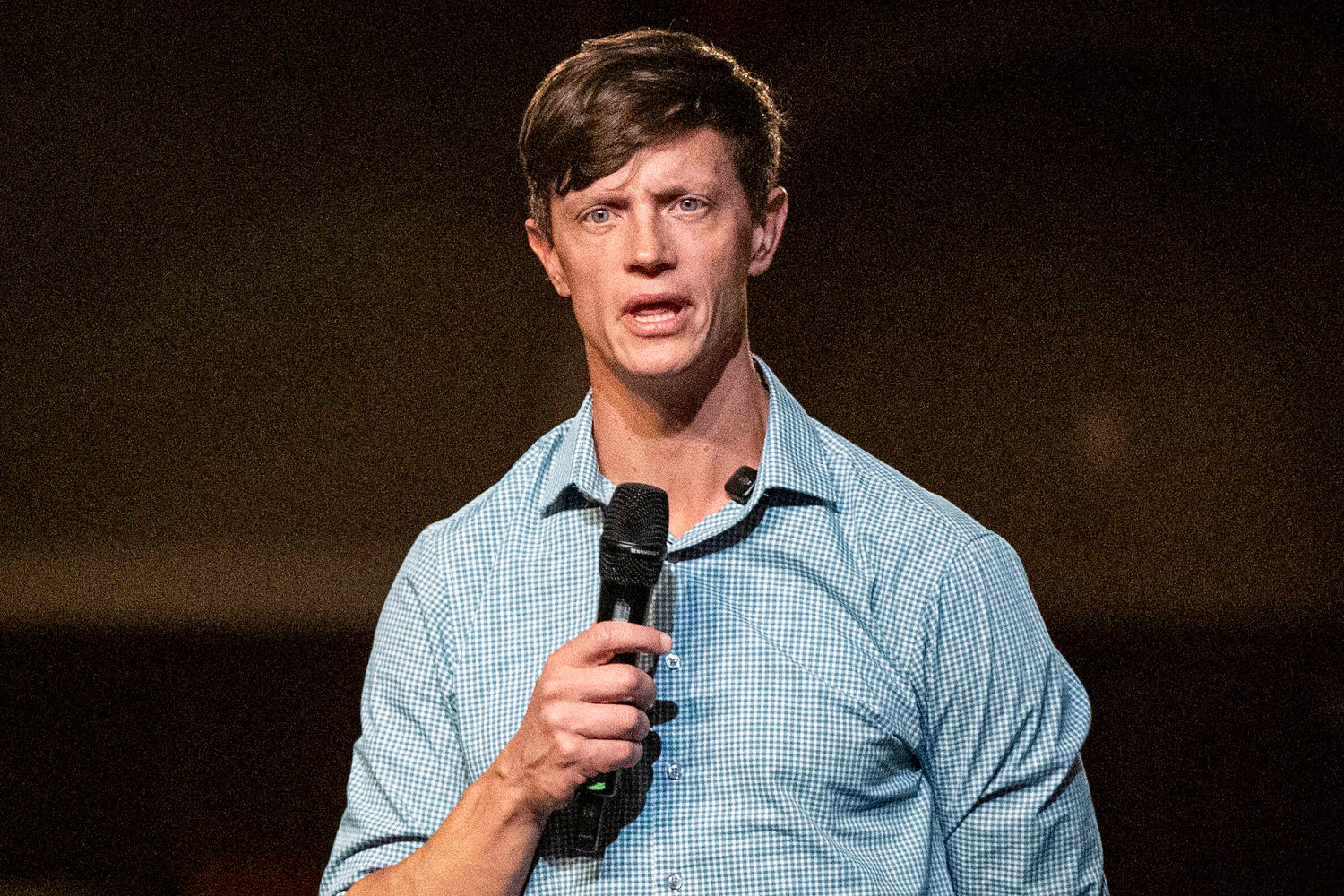
Add to GoogleKornacki: Democrats think ‘recipe is there’ to roll back Republican gains in Iowa10:23Get more newsonShareAdd NBC News to GoogleSept. 29, 2026, 5:00 PM EDTBy The Politics DeskWelcome to From the Politics Desk, a daily newsletter that brings you the NBC News Politics team’s latest reporting and analysis from the White House, Capitol Hill and the campaign trail.
In today’s edition, we take stock of how the gubernatorial landscape is shaping up across the country. Plus, Scott Wong and Monica Alba recap President Donald Trump’s much-anticipated lunch with AI industry leaders.
Five weeks out from Election Day, Democrats increasingly have their sights set on not only winning control of the House, but the Senate, too, as the political environment continues to deteriorate for the GOP.
That environment could also present Democrats with an opening outside of Washington to achieve something they haven’t done in 16 years: Hold a majority of the country’s governorships.
Currently, there are 26 governors who are Republicans and 24 who are Democrats. Thirty-six states are holding gubernatorial elections this fall, with an even split of Democratic- and Republican-held seats on the ballot.
So Democrats need to flip a net of two governorships for a majority. But similar to the battle for the Senate, their path involves winning in decidedly red territory.
For starters, Democrats are defending a seat in Kansas, a state President Donald Trump won by 16 points in 2024. With Gov. Laura Kelly term-limited, Republican state Senate President Ty Masterson will face off against state Sen. Cindy Holscher, who defeated a more moderate opponent in last month’s Democratic primary.
Democrats are also defending governorships in the key swing states of Arizona, Michigan, Pennsylvania and Wisconsin. Michigan and Wisconsin are open-seat races, while Gov. Katie Hobbs is running for a second term in Arizona after narrowly winning her first by 17,000 votes four years ago. For his part, Gov. Josh Shapiro has enjoyed strong approval ratings in Pennsylvania and is a heavy favorite there.
Assuming they hold all, or at least most, of those governorships, there is a growing number of opportunities for Democrats to pick up the two (or more) they’d need for a majority in states Trump carried.
According to new race ratings from the NBC News Decision Desk, the Iowa governor’s contest is listed as “lean Democrat.” Democratic state Auditor Rob Stand has established a moderate brand in the state as he faces businessman Zach Lahn, who has aligned himself with the “Make America Healthy Again” movement.
Meanwhile, three other seats Republicans are defending — in Georgia, Nevada and Ohio — are rated as “toss-ups.” In Alaska, Democrats are feeling better about their chances after one of their candidates advanced from the all-party primary to face three Republicans on the ranked choice general election ballot. And in Texas, Democratic state Rep. Gina Hinojosa is running more competitively than expected against GOP Gov. Greg Abbott.
While state races are often less affected by the national political winds than those at the federal level (just look at deep-blue Vermont, where Republican Gov. Phil Scott is still considered the favorite), they can still prove difficult for any candidate of the party in power in Washington to overcome at a certain point.
FOR SUBSCRIBERSKey DOJ lawyers departed Trump ‘grand conspiracy’ probe amid pressure to produce, source saysFOR SUBSCRIBERSThe complicated bargain between ‘looksmaxxing’ influencer Clavicular and the women in his orbitFOR SUBSCRIBERSSenators unveil bipartisan bill to deliver essential newborn supply kits to new momsFOR SUBSCRIBERSAI agents promise to run your errands. Websites are fighting back.FOR SUBSCRIBERSDemocrats face a staggering spending disadvantage in Georgia’s tight race for governorFOR SUBSCRIBERSObama boosts Senate Democrats with October fundraiserFOR SUBSCRIBERSTheir owner is suspended, their draft picks taken. The Clippers still believe they can win.FOR SUBSCRIBERSMLB wants a salary cap for competitive balance. Does the playoff field already have it?FOR SUBSCRIBERSThe Data Dive: Steve Kornacki on whether Democrats can loosen Trump’s hold on IowaFOR SUBSCRIBERSFlorida’s record-breaking dengue fever outbreak was only a matter of time, experts sayFOR SUBSCRIBERSAnother, closer look at an alleged 2024 campus gang rapeFOR SUBSCRIBERSCustom cursors, GIFs and hand-coded widgets: The personal blog is backFOR SUBSCRIBERSHow Trump’s second term is reshaping U.S. funding for the United NationsFOR SUBSCRIBERSEurope’s far-right leaders try to shake their Putin ties as they near powerFOR SUBSCRIBERSLawmakers battle National Archives over plans to move historical Asian American recordsSecuring a majority of governorships nationwide is more symbolic compared to the power that comes with House or Senate control. But it would still represent a significant moral victory for Democrats, given the recent string of Republican dominance at the state level. Aside from a brief period in which Democrats controlled a majority of governors’ seats from the 2006 to the 2010 elections, Republicans have otherwise held that distinction since the 1994 elections.
FOR SUBSCRIBERSKey DOJ lawyers departed Trump ‘grand conspiracy’ probe amid pressure to produce, source saysFOR SUBSCRIBERSThe complicated bargain between ‘looksmaxxing’ influencer Clavicular and the women in his orbitFOR SUBSCRIBERSSenators unveil bipartisan bill to deliver essential newborn supply kits to new momsFOR SUBSCRIBERSAI agents promise to run your errands. Websites are fighting back.FOR SUBSCRIBERSDemocrats face a staggering spending disadvantage in Georgia’s tight race for governorFOR SUBSCRIBERSObama boosts Senate Democrats with October fundraiserFOR SUBSCRIBERSTheir owner is suspended, their draft picks taken. The Clippers still believe they can win.FOR SUBSCRIBERSMLB wants a salary cap for competitive balance. Does the playoff field already have it?FOR SUBSCRIBERSThe Data Dive: Steve Kornacki on whether Democrats can loosen Trump’s hold on IowaFOR SUBSCRIBERSFlorida’s record-breaking dengue fever outbreak was only a matter of time, experts sayFOR SUBSCRIBERSAnother, closer look at an alleged 2024 campus gang rapeFOR SUBSCRIBERSCustom cursors, GIFs and hand-coded widgets: The personal blog is backFOR SUBSCRIBERSHow Trump’s second term is reshaping U.S. funding for the United NationsFOR SUBSCRIBERSEurope’s far-right leaders try to shake their Putin ties as they near powerFOR SUBSCRIBERSLawmakers battle National Archives over plans to move historical Asian American recordsAnd it would help Democrats fight against their coastal image and prove they can win in places all across the country, as they figure out what course they want to chart heading into the 2028 presidential campaign.
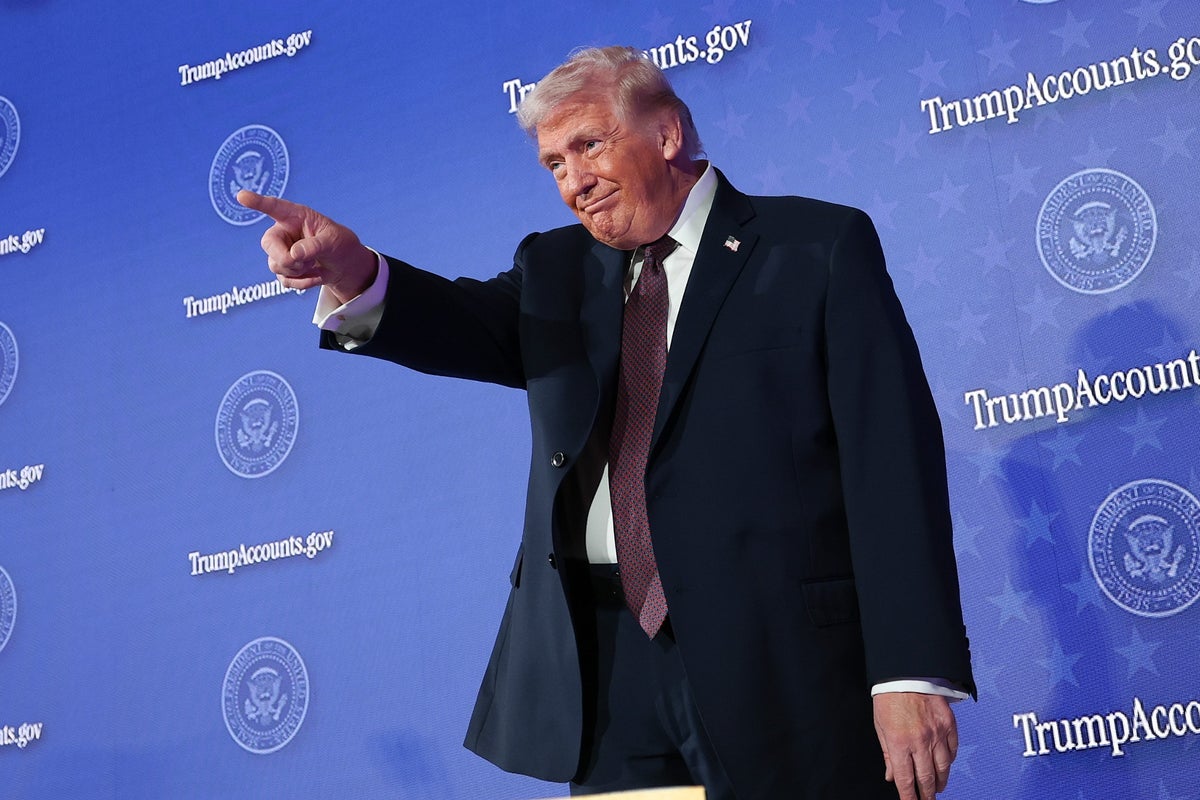
After privately huddling with nearly 20 tech titans at a White House lunch today, President Donald Trump continued to push back on calls for new safety regulations for artificial intelligence, saying there was agreement in the room that there should be “tremendous self-regulation” by companies.
“There’s a belief that there should be tremendous self-regulation, and we automatically have regulation with the Department of Justice, the FBI, all of that,” said Trump, flanked by tech and government leaders.
The gathering Tuesday included a who’s who of the tech world, including Anthropic CEO Dario Amodei, CEO of SpaceX and Tesla Elon Musk, Nvidia CEO Jensen Huang, Meta CEO Mark Zuckerberg, Amazon founder Jeff Bezos, Alphabet CEO Sundar Pichai, Microsoft CEO Satya Nadella, Advanced Micro Devices CEO Lisa Su and OpenAI President Greg Brockman.
Trump hosted the lunch with Speaker Mike Johnson, R-La. Vice President JD Vance, Commerce Secretary Howard Lutnick, Treasury Secretary Scott Bessent and White House chief of staff Susie Wiles also attended.
Trump also addressed the proliferation of data centers, which are unpopular among voters but are being built to power AI companies. The president, who supports data centers, said tech leaders will work with local communities and help pay for things like energy and education.
“This is a group that loves local communities. They love our country, and they’re going to work with local communities for the data centers, in particular, and they’re going to work to make the community happy,” Trump told reporters. “That might be supplying oil and gas. It might be supplying education. It may be helping teachers along financially. ... So you’re going to see data centers are going to be very popular.”
Trump said he planned to sign a document later in the day to rename artificial intelligence as “super intelligence.”
Earlier, Trump unveiled America.gov, a website that features an AI-powered tool meant to serve as a “one-stop shop” for Americans navigating government services.

/https://i.s3.glbimg.com/v1/AUTH_59edd422c0c84a879bd37670ae4f538a/internal_photos/bs/2026/y/I/lBWBceSXG7KjX4Fu8cxg/01-horizontal.jpg)