ANC to appeal after Electoral Court rejects candidate-list bid - IOL
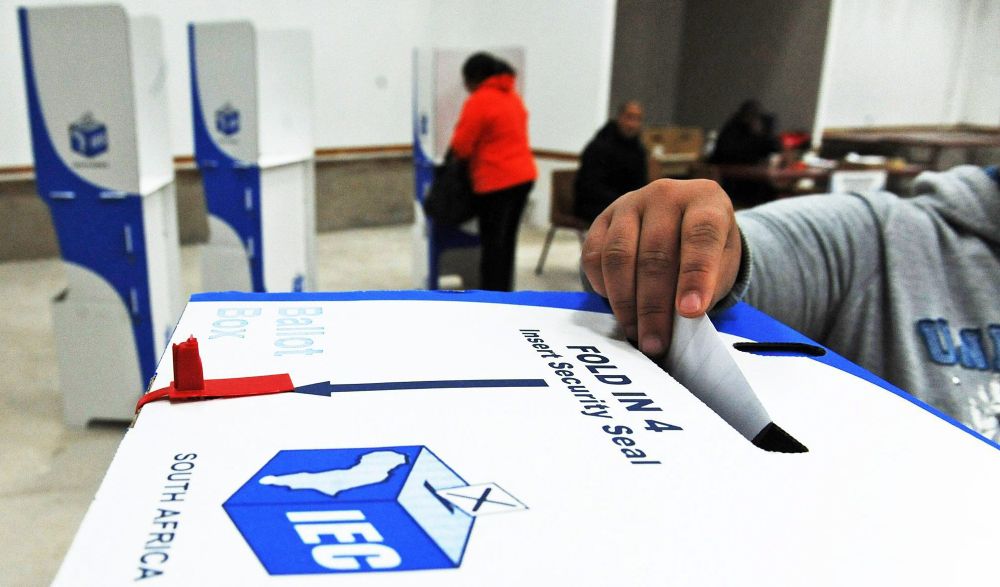
The ANC will pursue a further legal challenge after the Electoral Court dismissed its appeal over 181 candidates excluded from the November 4 local government elections, bringing the dispute with the Electoral Commission of South Africa (IEC) to another legal juncture.
The dispute stems from the ANC’s failure to finalise 181 candidate submissions across six municipalities by the August 28 deadline.
The party said their details had already been captured on the IEC system, but technical problems prevented final submission, a claim the IEC disputes.
The IEC has rejected that explanation. The ANC said it accepted the court process but continued to dispute the basis on which its candidates were excluded.
It confirmed that it would continue with the matter.
“Having considered the judgment, the ANC will exercise its legal rights and pursue the appropriate appeal process. Our legal representatives will engage the court on the legal questions arising from the judgment,” it said.
The Electoral Court granted the DA leave to intervene before dismissing the ANC’s appeal.
“The African National Congress’s appeal is dismissed,” the court ordered.
The dispute centred on whether information captured on the IEC’s online candidate nomination system constituted a valid submission without the final “submit as final” step being completed before the deadline.
The ANC argued that the final button was not expressly required by electoral legislation, while the IEC maintained that completion of the process was necessary for a valid nomination.
Political analyst and Middle East Africa Research Institute research fellow Kenneth Kgwadi said the ruling could have consequences beyond the immediate candidate-list dispute.
“The ANC goes into this election limping and wounded by unending factionalism. They will not be present in 51 wards. If they had not fielded at least one person as other parties do in affected municipalities, then it means that they would have lost 130 proportional representative councillors,” Kgwadi said.
He said the exclusion could also influence participation in affected communities.
“As we’ve seen in previous elections cycles, whenever the ANC supporters are unhappy, they stay away from elections rather than voting for other parties. This means that we will see further decline of electoral participation especially where the ANC will not be taking place.”
Kgwadi said the judgment could also have implications for confidence in the electoral process.
Political analyst Sandile Swana said the electoral timetable left little room for parties to deviate from prescribed deadlines.
“When a deadline is given by law, either you obey the law or you fail to obey the law. There is no decision that needs to be made. So the appeal of the agency was legally weak. It was just legally weak.”
Swana also disputed the ANC’s account of technical problems.
“The facts that they were bringing about, which were also not there, which is to say the machines, the computers of the IEC failed, were also not substantial. There was no truth in them,” he said.
The EFF welcomed the judgment. “The ruling is a victory for electoral integrity, for the rule of law, and for every party and every voter who respected the deadlines set out by the IEC,” the party said.
The ruling comes as the IEC moves to conclude preparations for the November poll, with 136,790 candidates certified to contest 10,526 council seats across eight metropolitan, 44 district, and 205 local municipalities. A further 5,096 candidates were disqualified following statutory checks.
IEC Chief Electoral Officer Sy Mamabolo said the nomination process had been conducted through both manual and online channels, with online submissions accounting for 84%.
“Following the conclusion of the statutory review, which included confirmation that all contestants had paid the applicable deposit and that all candidates were properly nominated, 5,096 candidates have been disqualified,” Mamabolo said.
“An unprecedented 136,790 candidates have satisfied the statutory requirements to contest seats across eight metropolitan municipalities, 44 district municipalities, and 205 local municipalities throughout the country.”
The next major milestones are the signing of the Electoral Code of Conduct and ballot-paper draw on September 23, with Election Day scheduled for November 4.