Alleged queue-selling and bribery hit Home Affairs, SASSA and public clinics - IOL
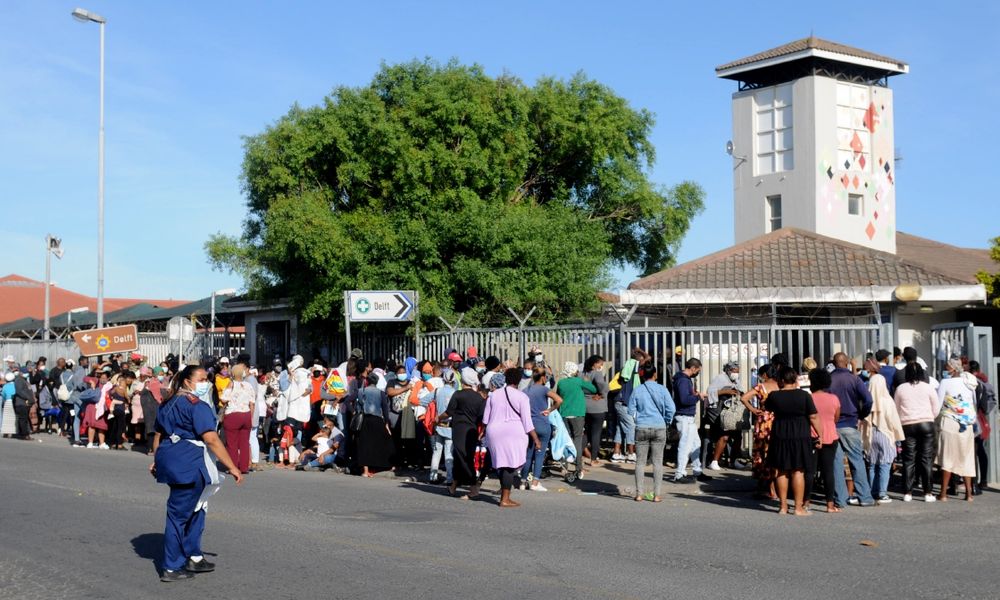
South Africans trying to access healthcare, social grants, and identity documents are allegedly paying to jump long queues, with complaints of queue-selling and bribery emerging at Home Affairs, SASSA offices, and public health facilities.
This comes as people report being asked for money to secure places in queues or move ahead of others, turning lengthy waits for essential public services into another cost for vulnerable residents.
A three-year-old video that resurfaced on social media in August brought renewed attention to the Home Affairs problem. A woman in the footage accuses people outside a Home Affairs office of demanding R150 to have her document collected within minutes.
Black Sash said it has received complaints of bribery and queue-jumping at Home Affairs offices across the country.
Evashnee Naidu, regional manager of Black Sash’s KwaZulu-Natal Regional Office, said the organisation had received “a lot of allegations” of bribery and corruption at Home Affairs, particularly around queue-jumping.
Naidu said the problem was particularly evident in Durban, including at the Commercial Road and Umgeni Road offices, where she said staff, security personnel and members of the public had allegedly been demanding R200 to R300 for faster access.
“The fact that you now have to stand in the queue, or try to access the online booking system, before you can get into Home Affairs further exacerbates the situation.
“It creates long queues, and it creates a feeling that you have to save up for the bribe as well, to jump the queue and access these critical services,” she said.
Home Affairs said it is aware of allegations of queue-selling and individuals seeking to exploit clients. The department said allegations involving its officials are investigated, and action is taken where wrongdoing is established.
“We are aware of instances where people outside our offices prey on clients by falsely claiming that they can sell places in queues, secure appointments, or arrange faster access to services,” said Ndileka Cola, head of Communication Service.
Cola said the resurfaced video dates back to 2019 and was investigated at the time. The department said the woman had been scammed by individuals outside Home Affairs who falsely promised to secure her a place in the queue for a fee, and that the alleged perpetrators were not Home Affairs officials.
Home Affairs said it has a zero-tolerance approach to fraud and corruption, and conducts monitoring and spot checks at service points. Since the start of the Seventh Administration, it said 65 officials had been dismissed, 36 arrested, and nine convicted.
The problem extends beyond access to identity documents, with people who depend on social grants also facing allegations of having to pay to secure their place in line.
In June, SASSA CEO Themba Matlou condemned the illegal sale of queue positions at its offices, saying the practice had been reported at several sites and was leaving elderly people and people living with disabilities particularly vulnerable.
“This is unacceptable, unlawful, and a serious exploitation of vulnerable members of society who solely rely on social assistance for survival,” Matlou said.
SASSA said action would be taken against those involved, including officials who may have enabled the exploitation.
In Gauteng, similar complaints have emerged from the public healthcare system.
Gauteng Health spokesperson Steve Mabona said the department had received complaints that some patients may be paying officials to bypass queues when scheduling appointments, accessing patient files, and collecting medication.
“Patients must access services through established processes, and no person should be allowed to use money to gain an advantage in accessing services,” Mabona said.
Ritshidze’s 2025 Gauteng State of Health report found that patients waited an average of three hours 21 minutes at monitored facilities in the province, with some facilities recording waits of almost six hours.
The woman, who asked not to be named, said she regularly visits a local clinic in Gauteng to collect her monthly medication and approaches a security guard when her medication is due. She said the guard helps her move ahead of the queue and she pays him after collecting her medication.
“I am on chronic medication, and I have to come here every month. It is very convenient for me because of the long queues,” she said.
“I have to queue four times. By the time you are done, the whole day is gone,” she said.
National Health spokesperson Foster Mohale said the department supported provincial investigations into such allegations.
“The issue of long waiting times should not be an excuse to extort money from patients,” Mohale said.