Alexandria Ocasio-Cortez Knows She May Not Be Able to Win in 2028 - Newsweek
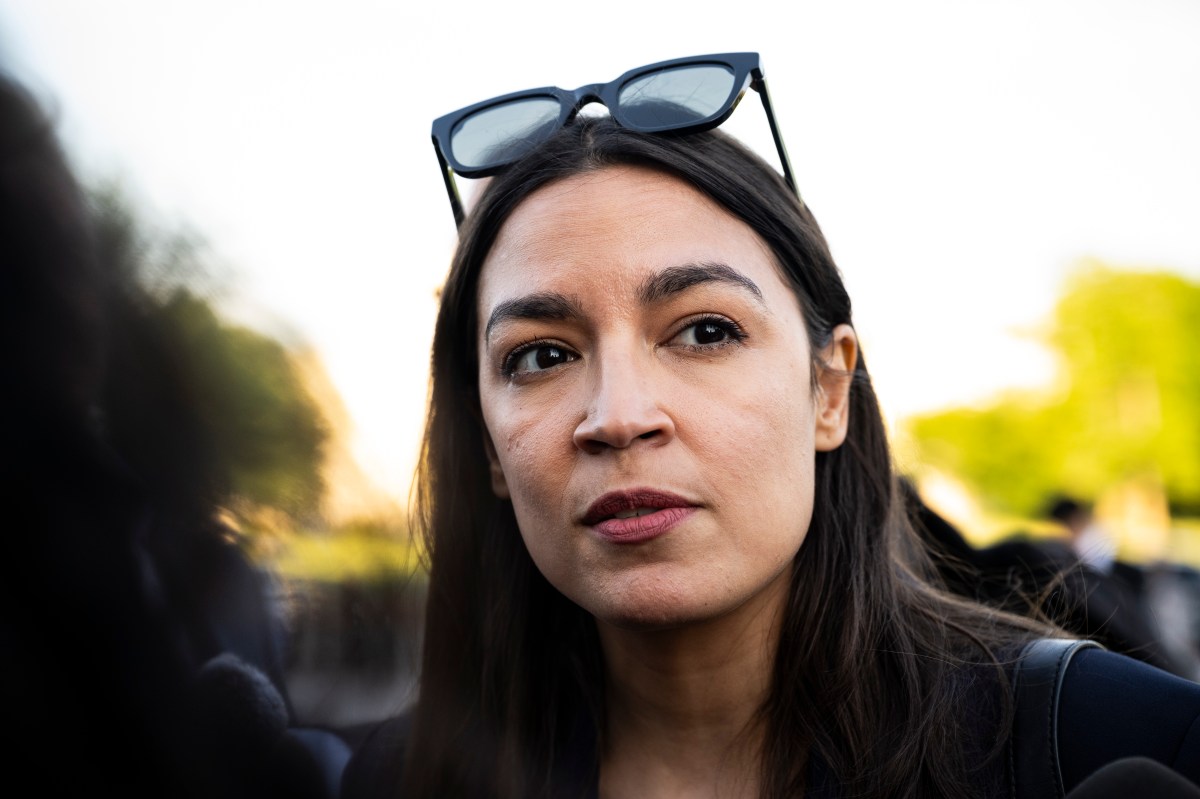
Representative Alexandria Ocasio-Cortez may run for president in 2028 but she's fully aware that she may not be able to win.
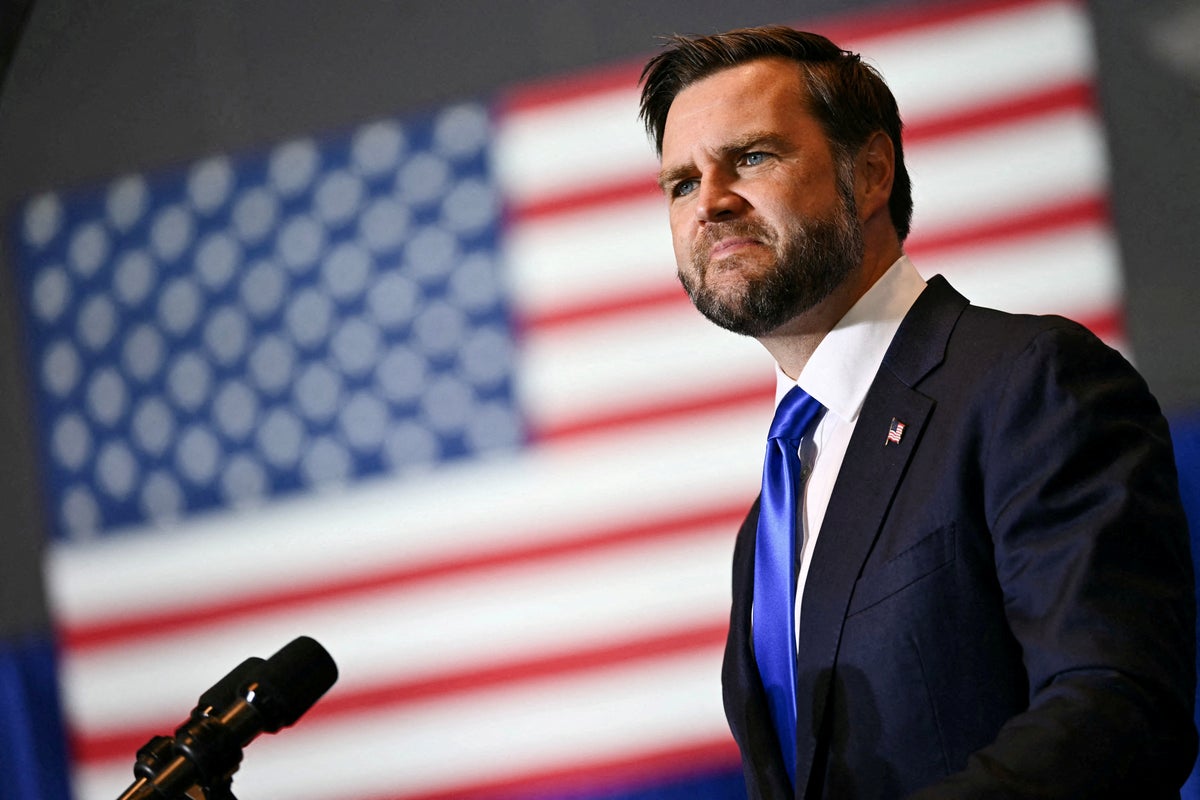
Ocasio-Cortez is a favorite to win the Democratic nomination for 2028, according to prediction markets, and polls well. However, polls also indicate that she could face an uphill battle against Vice President JD Vance, that some of her other male counterparts that may run for president won't face.
That difficulty of a woman winning the presidential election is something Ocasio-Cortez is acutely aware of.
“This country has never elected a female president. Why are we pretending that this is not a factor?” Ocasio-Cortez told the New York Times. “That doesn’t make it impossible, but to act as though it’s not a factor in anything ever is really a form of, like, denialism.”
Ocasio-Cortez hasn't officially decided if she'll run for president and said that decision won't come until after the midterms. The election is still years away and a lot can change in that time but, as of now, Ocasio-Cortez is a real contender.
Polymarket, a prediction market, has Ocasio-Cortez at 18 percent chances of winning the Democratic nomination for the 2028 presidential election. She's followed by Senator Jon Ossoff at 16 percent. She's been the frontrunner on the prediction market since mid-August.
However, her chances of winning the presidential election compared to Vance are different. Polymarket gives her a 13 percent chance of winning the 2028 presidential election, compared to Vance's 21 percent.
Polling tells a similar story at this point in the election cycle. A polling average tracked by the analytics account Race to the WH shows Ocasio-Cortez as the only Democrat in the average who trails Vance in a hypothetical presidential election with 42 percent to Vance's 44.9 percent. Ossoff leads Vance 48.5 percent to 43.9 percent.
She also was the only candidate in Emerson College's August survey that lost in a hypothetical matchup to both Vance and Secretary of State Marco Rubio. She loses to Vance 44 percent to his 46 percent.
In a Quantus Insights survey from the end of August, Ocasio-Cortez trailed Vance 41.8 percent to 45.1 percent.
In the poll, Ocasio-Cortez led among women, 48.7 percent to 37.1 percent, and voters aged 18 to 29, 53.4 percent to 24.9 percent. Vance led among men, 53.9 percent to 34.4 percent; among voters 65 and older by a similar margin, and among voters without a college degree, 52.9 percent to 36 percent. Ocasio-Cortez led among Black, Hispanic and Asian respondents, while Vance led among white voters. She also led among urban voters, 53.6 percent to 32.6 percent.
Ocasio-Cortez told the New York Times that when she thinks about running for president, she thinks about her "identity" and the potential challenges there are for her trying to win a presidential election. “I’m not naïve to the fact that we are living under a very regressive administration, and I happen to be a woman, and I, you know, happen to be Latina. And I think that there’s a lot of conversation about electability, and I don’t kind of shy away from those realities,” Ocasio-Cortez said.
Ocasio-Cortez added that being a woman running for president is "of course" one of the things she's weighing when considering a campaign.
“What is very odd about our political culture is that for some reason when you raise it, people just freak out,” she told The New York Times. “They get so defensive at the mere suggestion that gender could play a role.”
A major fundraiser, Ocasio-Cortez has the advantage of being able to drum up a massive war chest if she was to run for president. But, if she won, she wouldn't only be the first female president, she'd be the first person in over 100 years to go from being a member of the House of Representatives directly to president.