Air quality of Delhi worsens, many parts reel under ‘severe’ level air pollution

You don’t have any Active Subscription.
Account subscription benefits alongside Premium Stories, Editorials, Opinions and more. Unlock these with Subscription
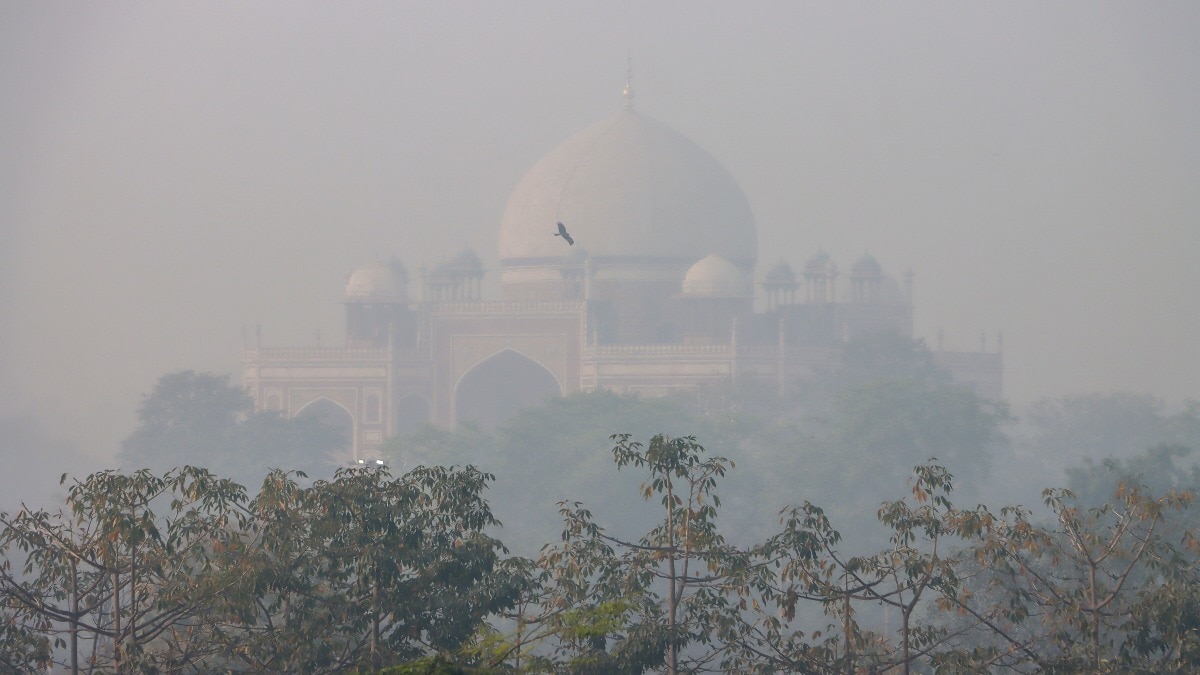
The overall air quality of Delhi worsened and continued to be in the “very poor” category on Friday (November 6, 2026) morning, while many parts of the city reeled under “severe” level of air pollution, according to official data. File | Photo Credit: Sushil Kumar Verma
The overall air quality of Delhi worsened and continued to be in the “very poor” category on Friday (November 6, 2026) morning, while many parts of the city reeled under “severe” level of air pollution, according to official data.
Many parts of the national capital, including IIT Delhi, ITO, Dwarka, Rohini, Punjabi Bagh, Alipur, Bawana, and Jahangirpuri, witnessed “severe” level air pollution.
Other cities and towns in north India, including Noida, Gurugram, and Faridabad also witnessed overall “very poor” air quality, on Friday (November 6, 2026) morning.
The 24-hour average Air Quality Index (AQI) of Delhi was 391 (very poor) at 9 a.m. on Friday, as per Central Pollution Control Board (CPCB) data.
“Severe” level air pollution affects healthy people and seriously impacts those with existing diseases, as per the CPCB.
The overall air quality of Delhi is likely to be in the “severe” category for three days, as per the Central government’s ‘Air Quality Early Warning System for Delhi’.
The 24-hour average overall Air Quality Index (AQI) of Delhi stood at 369 (very poor) on Thursday at 4 p.m. on Thursday, slightly down from 377 (very poor) a day earlier, as per the Central Pollution Control Board’s daily bulletin, which is treated as the day’s AQI. A higher AQI means worsening of air quality.
A higher AQI means worsening of air quality.
Every winter, air pollution spikes in Delhi-NCR and many parts of the larger Indo-Gangetic Plains, mainly due to meteorological factors such as lower wind speeds and a drop in temperature. Also, pollution from stubble burning during October and November and bursting of firecrackers during the festive season add to existing pollution from vehicles and dust, worsening the air quality.
Comments have to be in English, and in full sentences. They cannot be abusive or personal. Please abide by our community guidelines for posting your comments.
We have migrated to a new commenting platform. If you are already a registered user of The Hindu and logged in, you may continue to engage with our articles. If you do not have an account please register and login to post comments. Users can access their older comments by logging into their accounts on Vuukle.