
Aid may be dead. Long live international development - The Indian Express
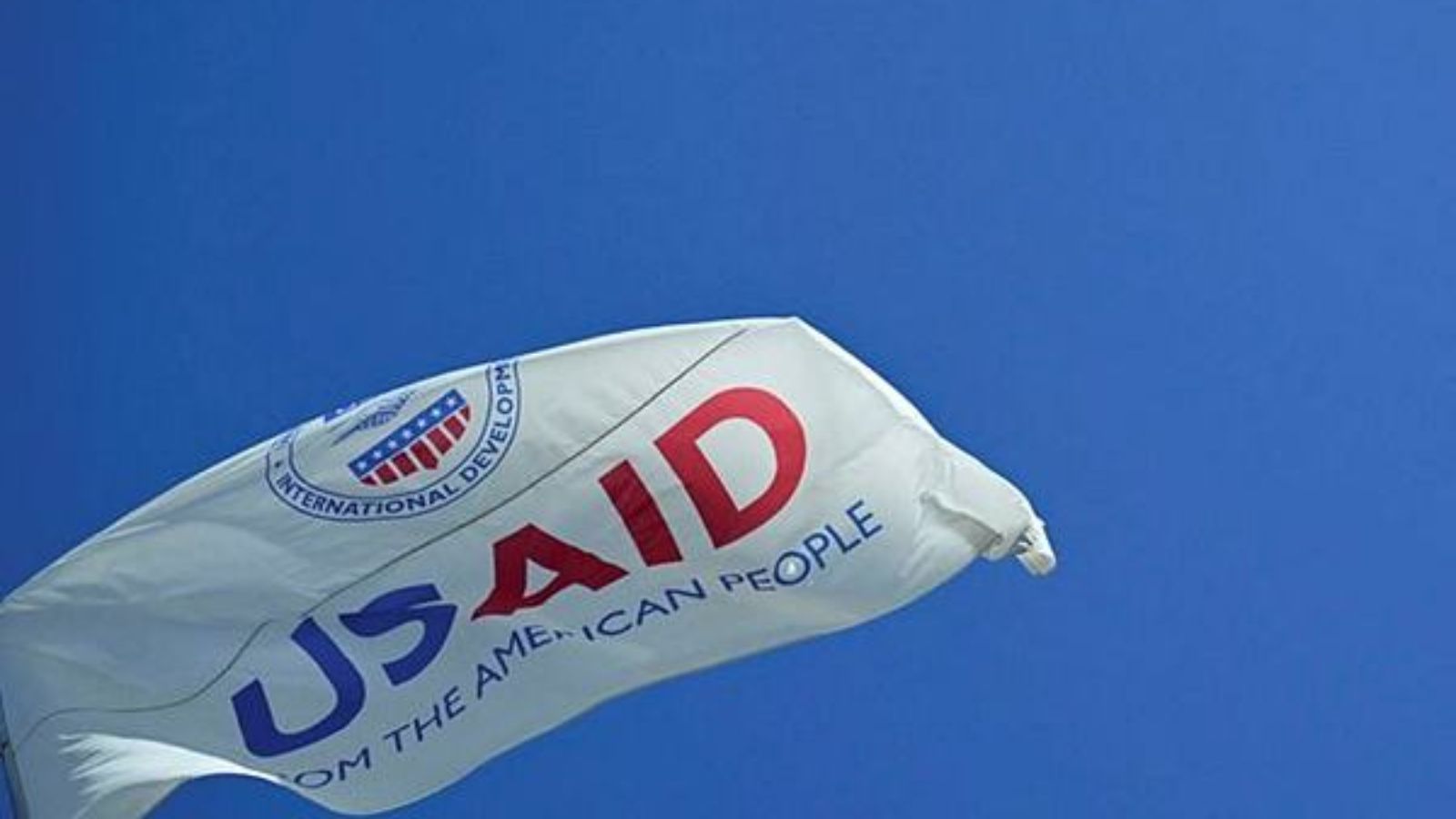
The numbers are alarming. International aid flows recorded an unprecedented drop by over 23 per cent last year; a continued fall is projected for this year. US President Donald Trump’s decision to axe 80-85 per cent of USAID projects and contracts was a trigger, but the cutbacks have also come from other donors due to changing political priorities, fiscal constraints, and domestic discontent. The decline hits some of the poorest and neediest recipients hard, leaving them little scope to find timely alternatives. For some, this transition is proving to be existential; the human costs of this must be acknowledged and addressed. But as we look to the future of international development in a world of aid scarcity, the context needs highlighting.
While recognising the challenges, we must avoid golden-age thinking. Disconnect from people on the ground, and excessive and misguided management by donors, tended to affect even aid packages that came with the best of intentions. Less scrupulous deals tied aid to other geopolitical goals at the cost of the recipients’ strategic autonomy. Aid politics has thus been a fraught affair, and the old architecture was creaking under the weight of legitimacy, efficiency and accountability issues. A fundamental rethink is long overdue for all parties involved. Instead of bemoaning the drying up of aid flows, we should be exploring alternative routes for international development. In that vein, four ideas are outlined below.
First, international development faces a host of challenges. But one source of those challenges — weaponised interdependence, which drives states to redefine priorities, turn inwards, and rearm — also holds a key to enhancing the bargaining power of parts of the Global South. Even as the US, China, the EU and others try to realign and secure their supply chains, developing countries have an opportunity to make use of their critical minerals, ports and other resources to establish new partnerships. If they play their cards right, such partnerships will not be one-sided and extractive. Rather, they will come with technology transfers, infrastructure development, training, job creation, and long-term development. The competition among the major powers strengthens the Global South’s bargaining hand.
Second, the worsening crisis of multilateralism hits developing countries hard. Multilateral institutions are useful settings for them to work in coalitions and shape global narratives. Even as great powers throw temper tantrums, developing countries should join forces not just to preserve but to fundamentally revamp multilateral organisations. The opportunity the aid crisis creates can be used proactively, for instance, to make the WTO systematically more development-friendly. Recall that even though developed countries dug in their heels, the Global South inserted and transformed development narratives in the WTO. The now-failed Doha Development Agenda was once a successful example of this; so was the transformation of the “trade not aid” narrative into the “aid for trade” formula. Development faces greater headwinds today. But developing countries should remind themselves of their past successes and join forces again to redirect trade narratives and policies towards an updated development agenda.
Third, there are many bad reasons international aid has ended up where it has today. But among a few of the good reasons some old models of development aid should end up in the dustbin, one is the disregard they showed for questions of deep ecology. One explanation is that they were West-centric, and therefore, also anthropocentric. They were incapable of recognising, let alone incorporating, alternative perspectives and lifestyles from indigenous, Southern civilisations that have honoured the oneness of human, multi-species and planetary well-being. As new approaches try to fill the emerging vacuum of development aid, the Global South can have a constructive, ideational role in producing a paradigm shift.
Finally, a reiteration by the Global South to reform old models of aid through “demand-driven” “bottom-up” approaches will not suffice. More-than-human species cannot speak up for themselves, and there are still far too few humans willing to include their rights to existence and dignity in their own demands. One reason India’s leadership of the G20 deserves to be regarded as path-breaking is that it recognised the deeply interconnected nature of all existence, and hence advanced the cause of the well-being of both people and planet. Were theorists and practitioners to take a cue from this approach, we might get a new model of aid that is fit for our times and actually worth saving.


