Affordable South African getaways: From local food to hidden waterfalls - IOL
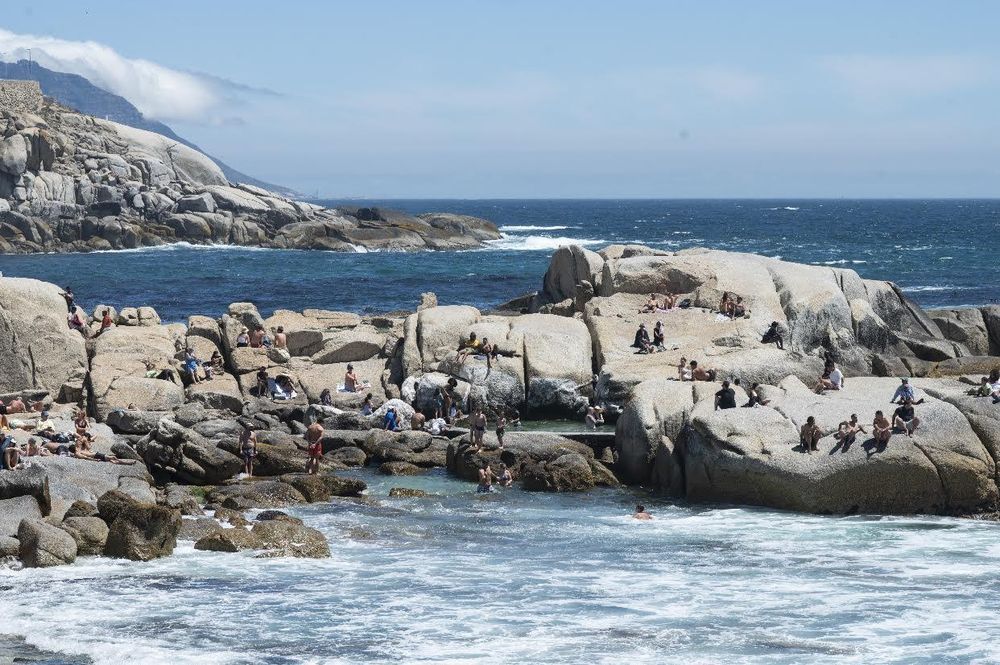
With household budgets under pressure, travellers can still enjoy memorable local getaways by saving ahead, discovering hidden gems and finding experiences that offer value for money.
South Africans do not have to travel thousands of kilometres or spend thousands of rands to discover somewhere special, with hidden waterfalls, local food experiences and scenic road trips offering opportunities to explore the country on a budget.
Sometimes, an unforgettable holiday begins with a road trip to a neighbouring town, a recommendation on TikTok or a meal made with ingredients rooted in local heritage.
But while the desire to travel may be there, making a holiday affordable requires more than finding a cheap destination. Planning ahead, understanding household finances and knowing where to look for value can help South Africans make the most of their time away.
The importance of planning was highlighted by Mashoto Mokgethi, Head of Domestic Tourism at South African Tourism, during the Tourism Month Sho’t Left Great Debate at Rosemary Hill.
Mokgethi said only 11% of South Africans plan their holidays properly, pointing to the need for travellers to budget, research and book ahead rather than leave arrangements until the last minute.
With household budgets under pressure, travellers must consider what they can realistically afford while looking for experiences that offer more than just a change of scenery.
A memorable getaway does not have to come at the expense of financial security.
According to personal finance expert Mapalo Makhu, the starting point is understanding the numbers and making travel a deliberate part of the household budget.
Rather than waiting until there is enough spare money for a holiday, travellers can set a savings target and work towards it over several months.
"Do not be afraid of numbers. If you know a holiday is going to cost R10,000, save R1,000 every month. You have to be intentional about those types of holidays," Makhu said.
Her advice places financial preparation at the heart of holiday planning. Knowing the likely cost of accommodation, transport, meals and activities makes it easier to decide what is affordable before making a booking.
Travellers can also compare destinations, adjust the length of their stay or choose activities that fit their budget.
The aim is to plan a holiday around what a household can comfortably afford after its essential financial commitments have been met.
Some of the country's travel experiences are found far from the usual tourist hotspots, and discovering them can be as simple as knowing where to look.
For content creator and traveller Fari Sanyika-'Gophari', social media has become an important part of how people discover destinations before deciding whether to visit them.
Platforms such as TikTok allow travellers to see what a place looks like, read other visitors' experiences and ask questions about locations, costs and accessibility before setting off.
"People go on TikTok to check out places, way before they go there," Sanyika said.
She recalled sharing a waterfall in Limpopo where visitors paid just R15 for entry. The post prompted followers to ask where they could find the attraction, demonstrating how affordable local experiences can capture people's attention.
"We have all these things at our disposal."
Her own travels have also shown her the appeal of exploring closer to home. While working in Secunda, Mpumalanga, she took road trips that introduced her to lesser-known attractions and places she might otherwise have overlooked.
These discoveries challenge the idea that a worthwhile holiday must involve expensive flights, luxury accommodation or far-flung destinations.
For travellers willing to research their options, a nearby attraction or an unfamiliar town can provide an opportunity to enjoy a change of scenery without committing to a costly trip.
Digital tools can also help travellers compare prices, map routes and investigate activities before leaving home. Reading reviews and checking details with tourism operators can help them make informed decisions about whether an experience suits their interests and budget.
For some travellers, the journey begins with a craving for something delicious.
Food tourism offers another way to explore South Africa, bringing visitors closer to the ingredients, traditions and people that give different destinations their character.
At Rosemary Hill, Chef Ayanda Seseli demonstrated how local and indigenous ingredients, fermentation and cultured foods can tell stories about heritage and place.
Such experiences show how a meal can become more than a stop along the way. A particular dish, food market, producer or cooking tradition can be the main reason for visiting somewhere new.
Travellers can build an entire outing around a food experience, exploring nearby attractions or supporting local businesses along the way.
A visit to a food producer, for example, can lead to discovering local crafts, cultural activities, accommodation providers and other attractions in the surrounding area.
For communities, these connections create opportunities for smaller businesses to benefit from visitors who might otherwise pass through without stopping.
For travellers, food provides a way to experience a destination through its flavours, traditions and local stories.