A place for collective celebration - IOL
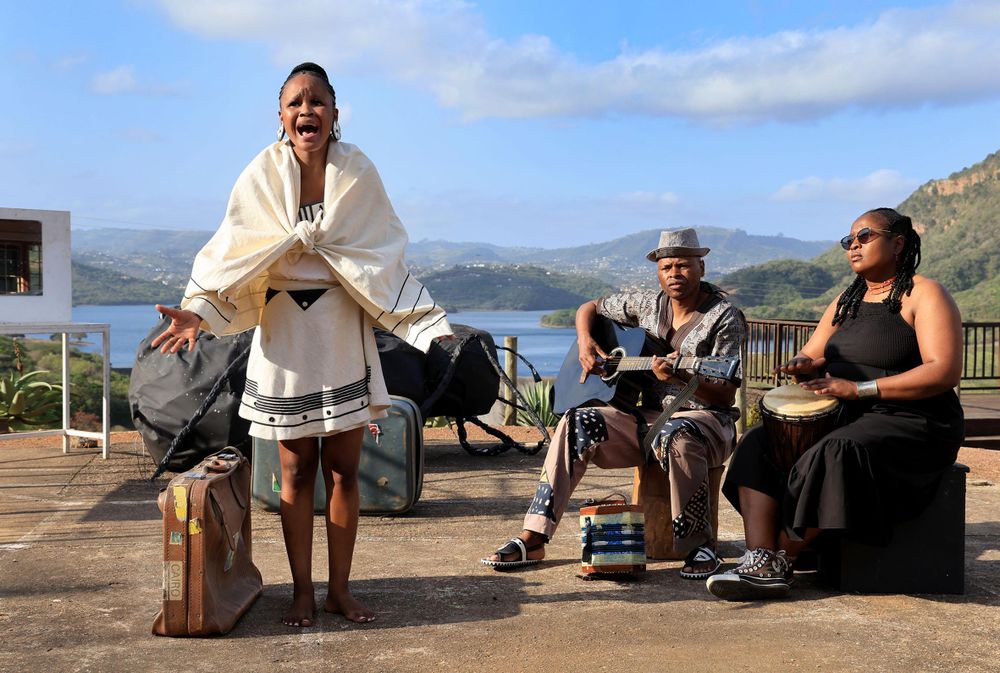
The Botho Heritage International Festival returns for the Heritage Day weekend of September 23-27, transforming Wushwini Pan African Centre alongside Inanda Dam in the Valley of 1000 Hills, into a vibrant gathering place for creativity, heritage, memory, dialogue and collective celebration.
Under the theme “Botho: I Am Because We Are,” the five-day festival invites audiences, artists, cultural practitioners, elders, young people, communities and visitors to reconnect with the values that bind African societies together.
“More than an arts festival, Botho 2026 is conceived as a living archive - a space where memory is preserved, stories are reclaimed, indigenous knowledge is celebrated, and contemporary African expression is given room to evolve. The 12th Edition is curated as a ritual of reconnection - to ancestry, land, story and collective purpose,” says convenor Jerry Pooe.
“At a time when indigenous knowledge continues to face erasure, cultural practices are increasingly commodified, and communities are searching for meaningful ways to reconnect with their identities, Botho places culture at the centre of public life. The festival asserts that heritage is not static. It is dynamic, evolving and deeply connected to who we are and how we imagine our future,” he says.
Through theatre, music, dance, fashion, film, literature, poetry, food, visual art, intellectual exchange and public ritual, the festival brings together different languages of African expression under one shared philosophy: we are because we belong to one another.
Botho 2026 unfolds as a five-day cultural pilgrimage, with each day carrying its own spiritual intention, creative language and collective purpose.
Sandile Dladla as Thami, Sifiso Phohlo as Mr M, and Zama Maphumulo as Isabel in Athol Fugard's “My Children My Africa” directed by Siza Mthembu.
The festival begins by honouring those who walked before us. Ancestral welcome rituals, indigenous libation, drum calls, chants, poetry, installations and reflections will create a powerful opening to the festival. It also sees the launch of the Wushwini Indigenous Orchestra. The day culminates in a major Pan-African music concert, a spectacular fireworks ceremony and a Night Museum Walk through illuminated artistic installations, at 6pm.
The second day places storytelling at the centre of cultural transformation.
Audiences will experience a full-day Theatre Feast, alongside the Africa Arts Indaba, creative workshops, masterclasses, film and intellectual exchanges exploring decolonisation, cultural economies, sustainability, Pan-African collaboration and indigenous knowledge systems.
The evening programme, “Beyond Limits: The Spirit in Motion,” celebrates artists whose creativity transcends perceived limitations, bringing together disabled performers, blind artists and musicians, and artists from diverse backgrounds, starting at 6pm.
Day Three celebrates heritage through the body. Fashion, literature, dance, theatre and music come together to demonstrate that culture is not simply something we preserve - it is something we wear, speak, perform and live.
The programme includes a Heritage Fashion Showcase, literature circles, readings, experimental and community theatre, traditional and contemporary dance, and an evening celebration featuring percussion, vocalists, Afro-soul and traditional ensembles, which starts at 6pm.
On Day Four, Botho moves beyond the festival grounds and into the community.
The Ubuntu Walk, which starts at 6am, will bring people together through walking, rhythm, singing, storytelling and collective movement, with routes connecting surrounding communities to Wushwini.
Participants will encounter community resting stations, storytelling points, music and reflection along the journey before arriving at an afternoon of open-air dance and community performances.
The evening transforms into an Ubuntu Soundscape, where DJs and musicians merge traditional African sounds with house, Afro-tech, jazz and hip-hop at 6pm.
The festival concludes around the table, through music, food, faith and gratitude. Chilled jazz will be playing from noon.
The Heritage Food Festival will celebrate indigenous cuisines and the stories carried through food, with cooking demonstrations and knowledge-sharing led by elders.
Jazz conversations and performances will create space for African musical expression, before the festival closes with gospel and sacred music, a reflection and gratitude ritual, and the symbolic Passing of the Flame to the next edition.
Entry to productions, events and shows is R50 at the door. Full programme on Wushwini social media pages and website