Too much oxygen can harm the body. Harvard-MIT scientist Isha Jain is decoding why
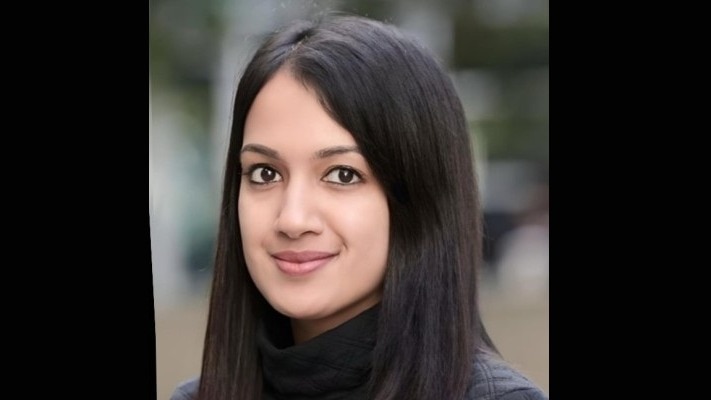
Oxygen is essential to life. Every breath we take supplies the body with it, allowing our cells to produce the energy they need to function. But what happens when the body has more oxygen than it can use? Could something we need to survive actually damage our organs?
Scientist Isha Jain has spent years investigating this counterintuitive question. Her research has challenged conventional thinking about mitochondrial diseases, showing that in some cases, tissue damage may be caused not just by an energy shortage but by an excess of unused oxygen.
Jain has now won the Infosys Prize 2026 in Life Sciences for her discoveries in oxygen biology and her efforts to turn them into potential treatments for serious inherited disorders.THE DISCOVERY THAT TURNED OXYGEN RESEARCH ON ITS HEAD
Mitochondria are often called the powerhouses of cells. They use oxygen to help generate the energy that keeps the body functioning. When this machinery breaks down, it can cause severe mitochondrial disorders, many of which have limited treatment options.
For years, the focus was largely on the energy deficit caused by malfunctioning mitochondria. Jain's doctoral research pointed to another part of the problem.
She found that when a defective electron transport chain prevents cells from using oxygen properly, the unused oxygen can accumulate in tissues. This creates a condition known as hyperoxia, or an oxygen overload.
Using genome-wide CRISPR screens and mouse models, her team investigated what happens when oxygen levels are reduced instead. In a mouse model of Leigh syndrome, a severe neurological and metabolic disorder, breathing air with lower oxygen levels dramatically extended survival.
The finding was remarkable. Instead of supplying more oxygen, reducing its availability could help protect the brain from damage.
The discovery was important enough to lead to a clinical trial of inhaled hypoxia, which involves exposure to air with reduced oxygen concentrations.FROM A HARVARD-MIT LAB TO POTENTIAL TREATMENTS
Jain's interest in biology took her to Harvard University, where she completed a bachelor's degree in Chemical and Physical Biology in 2012, graduating magna cum laude.
She then joined the Harvard-MIT Health Sciences and Technology programme, earning her PhD in 2017. Her doctoral work combined medical engineering, medical physics, systems biology and computer science.
During this period, she worked with researchers Vamsi Mootha and Warren Zapol, where she made the discovery that reduced oxygen exposure could help in mitochondrial disorders.
After a brief postdoctoral stint at Harvard Medical School, Jain joined the University of California, San Francisco (UCSF) in 2018 as a Sandler Faculty Fellow. She established her independent laboratory there, becoming an assistant professor in 2021 and an associate professor in 2024.
Her research has since expanded beyond the original discovery. Her team found that excess oxygen can destabilise iron-sulfur cluster proteins, triggering a chain of cellular damage. These proteins play important roles in several biological processes.
The team also developed HypoxyStat, an orally administered small molecule that increases haemoglobin's affinity for oxygen, reducing the oxygen available to tissues. In mouse studies, it reversed even advanced disease.CAN VITAMINS ALSO TREAT GENETIC DISEASES?
Jain's research has another interesting direction: nutritional genomics, which investigates how genetic differences influence the body's response to nutrients.
Her team has identified inherited metabolic disorders that may respond to vitamin B2 and B3 treatments.
One example is NAXD deficiency, a rare and often fatal childhood disorder. In a mouse model of the condition, vitamin B3 treatment extended lifespan more than 40-fold.
These are preclinical findings, not established cures for patients. But they point towards treatment possibilities for genetic conditions that have few therapeutic options.AN AWARD FOR RESEARCH THAT CHALLENGES ASSUMPTIONS
Jain is currently an associate professor of Biochemistry and Biophysics at UCSF, an associate investigator at the Gladstone Institute of Cardiovascular Disease and a core investigator at the Arc Institute in Palo Alto, California. She joined the Arc Institute as a core investigator in 2025.
Her earlier honours include the NIH Director's Early Independence Award in 2018, the Searle Scholar Award and the Klingenstein-Simons Fellowship Award in Neuroscience in 2021, and the Arc Innovation Investigator Award in 2023.
The Infosys Prize 2026 recognises her ability to take an unexpected observation about oxygen, uncover the biological mechanisms behind it and turn those findings into potential therapies.
Her research is also a reminder that biology is rarely as straightforward as it appears. Oxygen is indispensable to life, but the body needs the right amount, in the right place, at the right time.- EndsRead | He went from NLS to Oxford to Yale. Now, Gautam Bhatia has won the Infosys PrizeRead | From DNA repair to Prakrit studies, meet the Infosys Prize 2025 winners