
Gurugram CEO calls out employees who look busy but get surprisingly little work done
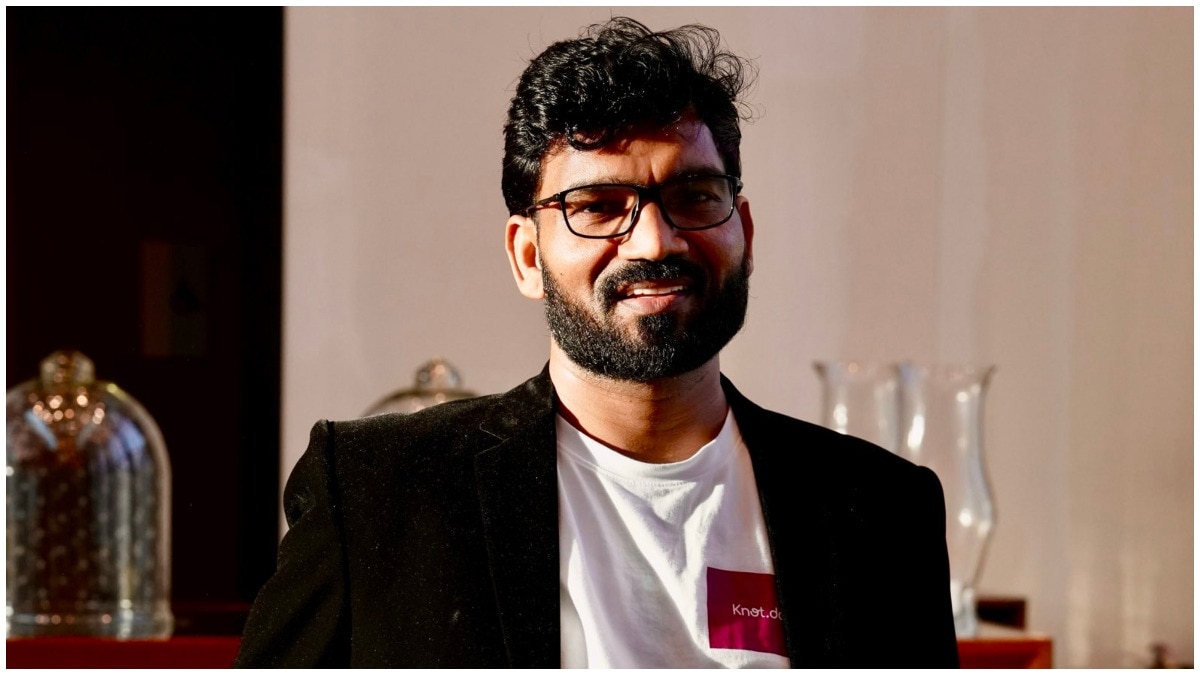
A Gurugram-based CEO has questioned India's workplace culture of equating long office hours with productivity, arguing that employees are often rewarded for staying late rather than getting their work done efficiently.
Jasveer Singh, CEO of Knot Dating, shared a post highlighting the difference between being busy and being productive. He argued that many workplaces have a culture of sitting in the office for extended hours rather than actually working for those hours.
“India doesn't have a culture of working long hours. We have a culture of sitting in the office for long hours. There's a difference,” Jasveer said.
Describing a typical day at an office, he said employees often appear occupied, with their laptops open and calendars packed with meetings, tea breaks, extended lunches and smoke breaks. By the end of the day, everyone claims to have had a hectic schedule, but the real question, he argued, is what they actually managed to produce.
Jasveer also pointed out how employees often feel uncomfortable leaving the office before their bosses, even when they have completed their work. He said that when a boss stays until 9 pm, employees may hesitate to leave at 7 pm, only to see everyone suddenly remember their homes once the boss gets up to leave.
“That's not productivity. That's theatre,” he said.
To explain his point, Jasveer compared two employees, one who completes a task in five hours and another who takes nine hours to finish the same job. Despite delivering the same output, he argued, the latter is often perceived as more hardworking simply because they spend more time doing it.
He said workplaces have created a system that rewards inefficiency and penalises efficiency, teaching employees to focus on appearing busy rather than getting more work done.
“Looking busy is not work, staying late is not productivity, and sitting in an office for 10 hours doesn't mean you worked for 10 hours. It just means you sat there for 10 hours,” he added.
Jasveer maintained that productivity should be measured by what employees accomplish rather than how long they occupy an office chair.
As the post went viral, several users shared their own experiences of workplace inefficiency and the pressure to stay late.
One user pointed out that “half the meetings are about scheduling the next meeting,” while another said they valued ownership over the number of hours worked. They argued that employees should be given clear goals and the freedom to figure out the best way to deliver them.
Another user said employees sometimes spend their time scrolling through Instagram, typing half-heartedly or pretending to be busy despite having no pending tasks.
Agreeing with Jasveer’s argument, a user said a healthy workplace should reward employees who deliver results in five hours rather than those who take nine hours to create an illusion of commitment.
Another comment highlighted how judging employees by the time they spend at work, instead of their output, makes inefficiency the norm.
Sharing an example from the technology sector, one user recalled how a developer implemented new features within a day for a client demonstration but received no appreciation. However, leaving the office on time became a major issue.- EndsMust Watch


