Government sees farm debt renegotiation as key to BB recovery - Valor International
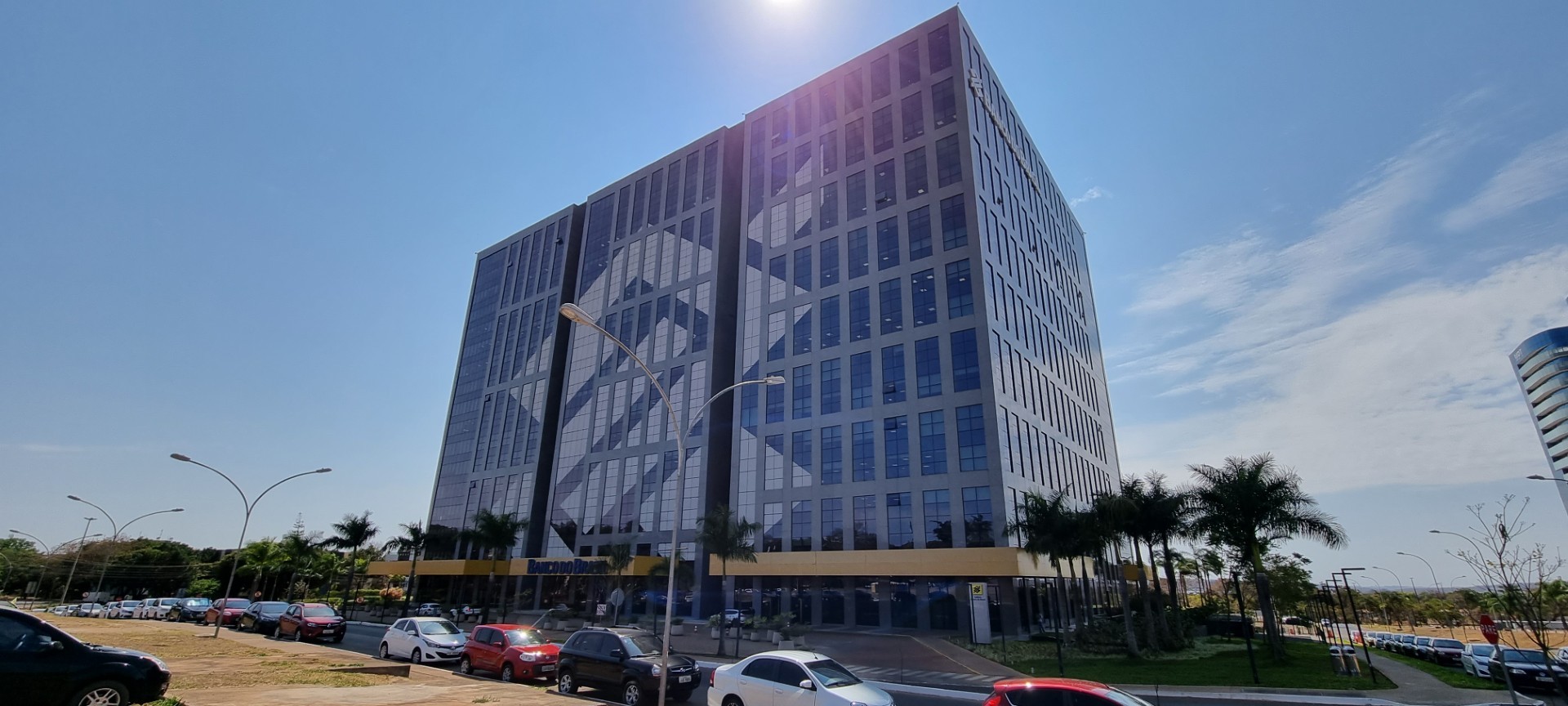
Banco do Brasil’s (BB) third-quarter results were disappointing, but a government official believes that renegotiating farm debt should help the state-owned bank overcome its current difficulties. In other words, there is no need for government measures to bail out the lender.
Election promises leave Lula with a tougher fiscal challengeBrazil’s postal service posts R$1.9bn Q3 loss
“What can be done is being done, which is an effort to renegotiate with clients,” the official said. “There is no need for a government bailout. We believe the bank will overcome this phase and that default rates will return to normal levels,” the official told Valor when asked whether the government might take any measures to help the bank.
Last week, the Senate approved a clean bill on rural debt renegotiation on the same day BB released its earnings. The legislation broadened the eligibility criteria for indebted farmers seeking to restructure their obligations. The measure now awaits President Luiz Inácio Lula da Silva’s approval.
According to the government source, however, expectations of lower dividend payments from BB could affect the economic team’s revenue projections for the year. In its bimonthly revenue and expenditure report for the fourth two-month period, the government estimated that state-owned companies would pay R$51.5 billion in dividends to the federal government. The government does not disclose the expected contribution from each company, only the aggregate figure.
For comparison, federal government dividend receipts from state-owned companies totaled R$21.2 billion through September this year, including R$1.6 billion from BB, according to National Treasury data. BB’s dividend payments to the Treasury totaled R$3.3 billion in 2025, R$1.8 billion in 2024, R$6.5 billion in 2023, and R$5.9 billion in 2022.
On Wednesday (11), BB reported adjusted net income of just R$1.27 billion in the third quarter of 2026. That was a 66.5% plunge from the same period last year and a 67.5% decline from the second quarter. The drop mainly reflected higher provisions for potential credit losses and prompted the bank to revise its earnings forecasts downward and cut dividend payments.
The result was well below the median estimate of R$3.16 billion among analysts surveyed by Valor. Accounting net income totaled R$1.2 billion, the bank’s lowest quarterly result since the final three months of 2016, when Brazil was going through a recession.
“The Finance Ministry is leading this dialogue, which is why the provisional presidential decree—now converted into law—was issued to enable the renegotiation process,” the official told Valor.
BB CEO Tarciana Medeiros acknowledged that the bank is facing one of the most challenging risk cycles in agribusiness in its more than 200-year history. While recognizing the crisis, she sought to put the situation into perspective, saying that BB’s business extends well beyond agriculture and that its net interest margin remains strong.
Medeiros also stressed that the bank has been taking measures to address problems in its agribusiness portfolio for nearly two years. Defaults in the segment are “concentrated among medium-sized and large clients, particularly in soybeans, corn and cattle farming, mainly in the Central-West region.”
The bank’s disappointing performance has intensified pressure for Medeiros to step down. Her replacement has been under discussion within the government for some time, but the 66.5% plunge in net income has strengthened calls for a “change” at the top.
The succession process, however, remains uncertain. As Valor has reported, the government is debating whether President Lula should continue to favor career executives or appoint someone from outside the bank. For now, the names being considered from within BB include Geovanne Tobias, vice president of financial management and investor relations; Gilson Bittencourt, vice president of agribusiness; and Francisco Lassalvia, vice president of wholesale banking and acting vice president of retail banking.
The bank’s poor results, however, could complicate the selection process. Among candidates from outside the institution, Finance Minister Dario Durigan is being considered for the position.
This article was translated from Valor Econômico using an artificial intelligence tool under the supervision of the Valor International editorial team to ensure accuracy, clarity, and adherence to our editorial standards. Read our Editorial Principles.