Bill Gates reacts to Cambridge Dictionary's 2026 Word of the Year 'Human'
Artificial intelligence can write essays, create images, diagnose diseases and even hold conversations that sound remarkably human. But as machines become more capable, one question is becoming harder to ignore: what should remain uniquely human?
Cambridge Dictionary appears to have captured that debate with its choice of Word of the Year for 2026: ‘human’.
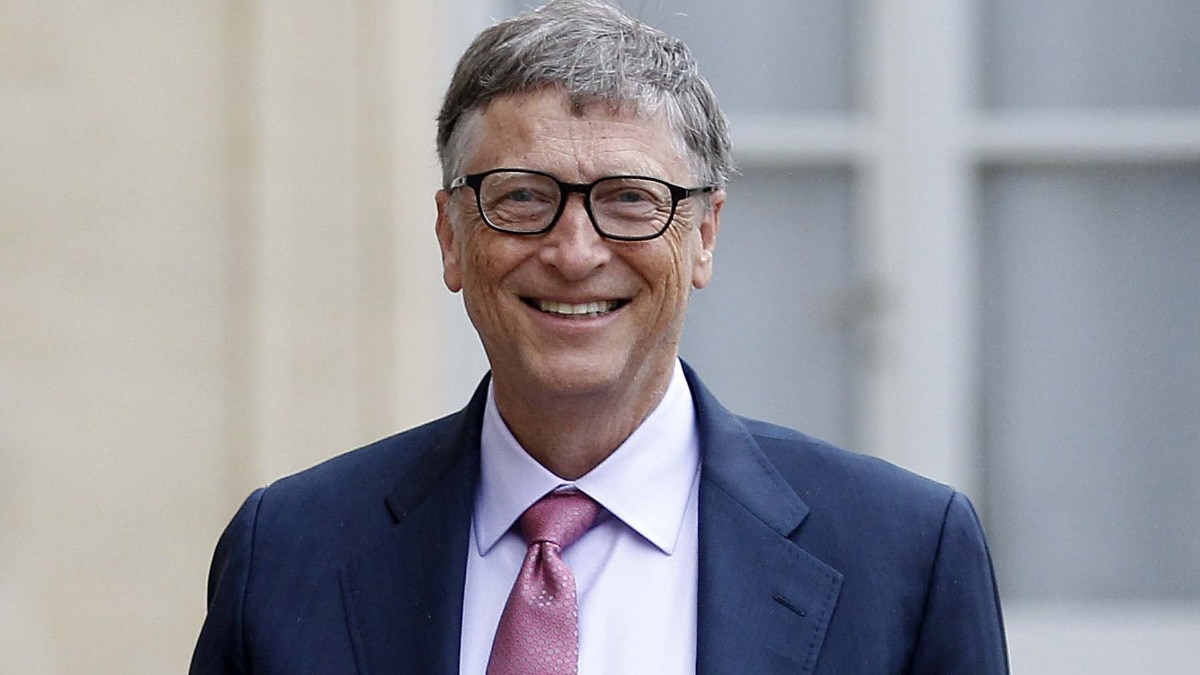
The announcement caught the attention of Microsoft co-founder and philanthropist Bill Gates, who welcomed the choice, arguing that the real measure of artificial intelligence should not be how advanced it becomes, but how much it improves people's lives.advertisement❮❯ Read Full StoryWHY BILL GATES THINKS ‘HUMAN’ MATTERSSharing his reaction on X, Gates wrote, “Cambridge Dictionary just picked ‘human’ as its Word of the Year. The measure of AI’s success should be how much it improves lives, so I can’t think of a better choice for this moment.”
In a second post, he pointed to some of the possibilities AI could unlock.
“I believe AI has the potential to cure diseases, improve education, and give people more time to spend on the things that matter most. But we need to make deliberate choices about how it fits into our lives, including where we want people to remain at the center,” he wrote.
His comments come amid growing conversations about AI replacing jobs, changing education and reshaping how people work and interact.
Gates has also previously argued for the idea of ‘human reserved jobs’, identifying areas where human involvement should remain important even as automation advances.
Cambridge Dictionary defines ‘human’ as “having the qualities, faults, and feelings that people have, as opposed to gods, animals, or machines”.
Explaining its choice, the dictionary said the year had been marked by global debates about what it means to be human as AI increasingly blurs the boundaries between people and machines.
Colin McIntosh, a lexicographer at Cambridge Dictionary, pointed to the growing use of expressions such as ‘human-made’, which distinguish work created by people from AI-generated output.
“The definition of ‘human’ has traditionally distinguished us from gods, animals, and, latterly, from machines,” he said.
As AI becomes part of everyday life, the word is taking on a new relevance. The question is no longer simply what machines can do, but what people want them to do, and what they want to keep for themselves.- EndsRead | 'Human' is Cambridge's word of the year amid rise of AIRead | Oxford's 2026 Word of The Year shortlists warn of AI slop, fading literacy and doom